This SciLine-Society for Neuroscience joint briefing is open for journalists to attend either in person or online.
What are Media Briefings?
Claims about foods, exercise routines, supplements, and other ways to “protect” the brain are everywhere, especially on social media, but the evidence behind them varies widely. On November 15, SciLine and the Society for Neuroscience (SfN) will host a joint press briefing at the SfN annual meeting in Washington, D.C., on what research shows about whether everyday lifestyle choices can influence brain health and cognition, as well as whehttps://www.sfn.org/re popular claims are not supported by scientific research.
During this briefing experts will discuss:
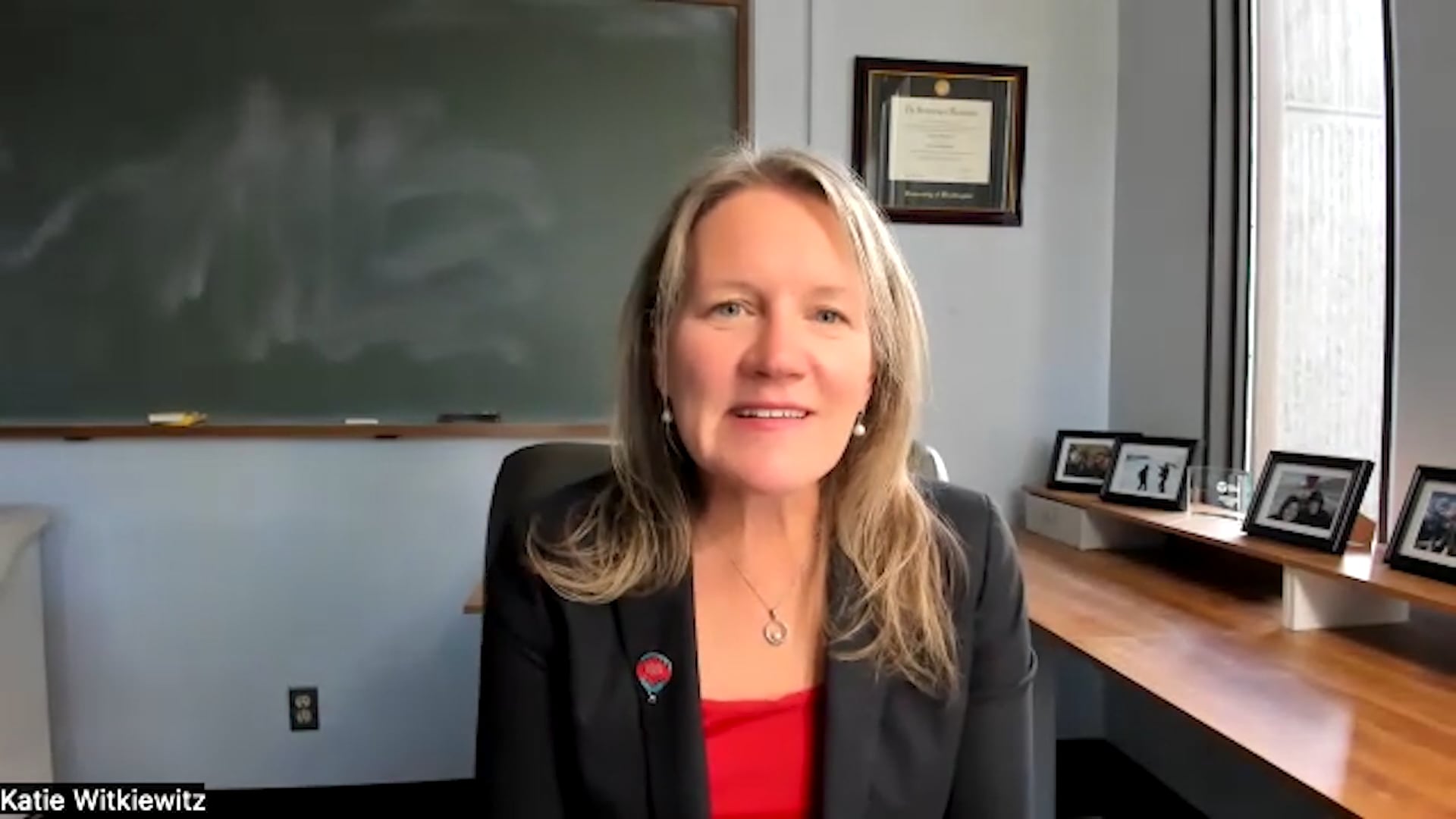
Three scientific experts will join a moderated discussion and then take reporter questions on the record:
Journalists have the option to attend in person or online.
To attend either way, please request media credentials.
The in-person briefing will be held at the Walter E. Washington Convention Center, Room 202B, in Washington, D.C.