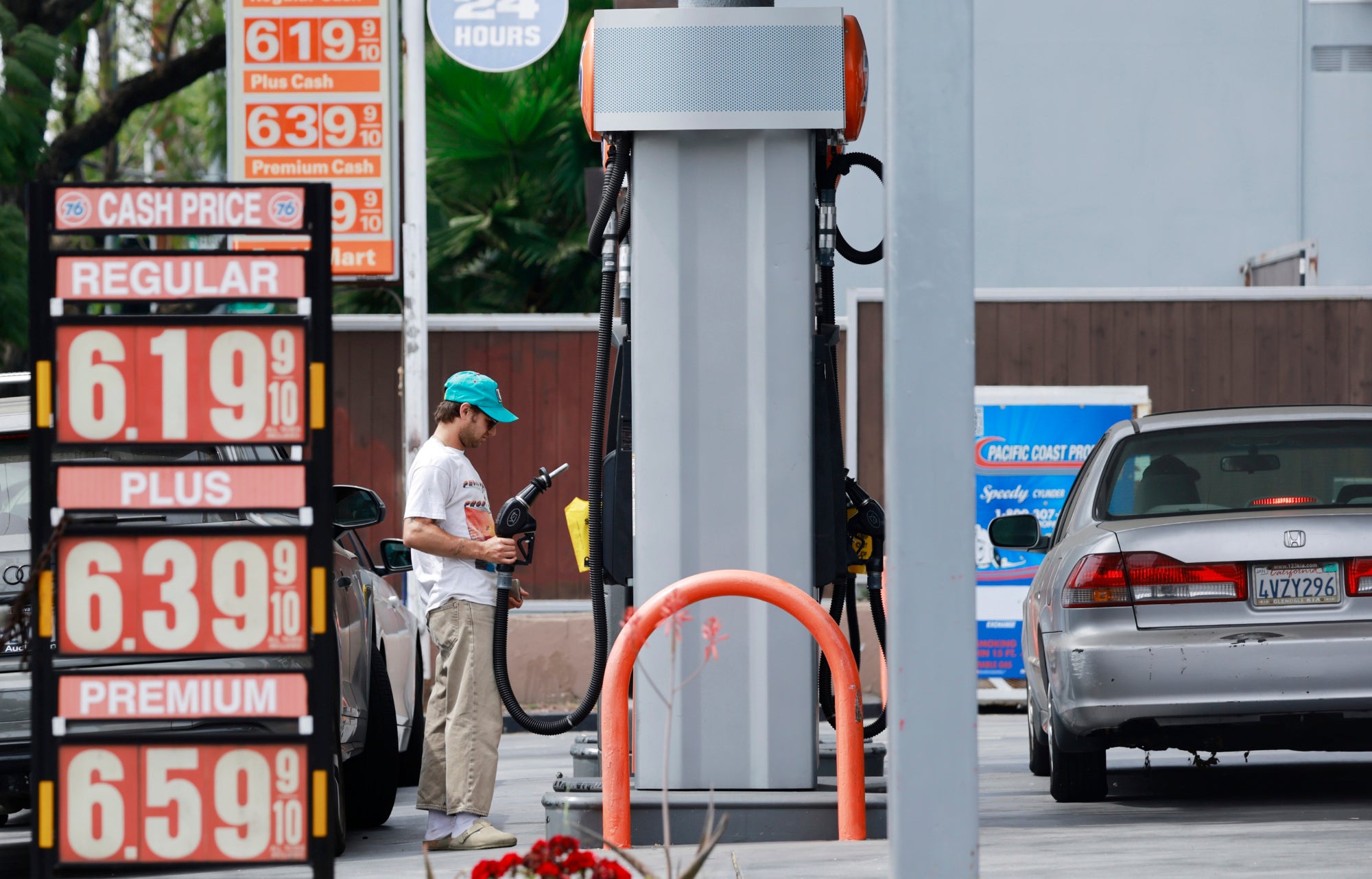
Oil prices have risen dramatically this year following the Iran war and supply chain disruptions. These events caused ripple effects in the U.S. economy: Beyond high gas prices hitting U.S. households, fertilizer costs strained farmers, diesel prices increased trucking costs, and jet fuel costs influenced travel choices. Data, research, and expertise can all extend your coverage to better explain the causes and consequences of these price changes.
Basics:
- SciLine interviewed a researcher about the drivers behind fluctuating gas prices and how high fuel costs impact other expenses. A soundbite and VOSOT are available, with the full footage available by request to be used in stories.
- Gas prices: AAA’s gas prices website, a service of the not-for-profit oganization AAA, gives daily updates on national and state average prices for gas and diesel, along with comparisons to previous prices. The company GasBuddy shows gas prices at specific stations, allowing searches by state, city, and ZIP code, and a longtime Gasbuddy analyst explains how prices at the pump are set.
- U.S. Energy Information Administration: The EIA’s monthly short-term energy outlook gives forecasts for 2027 oil and gasoline prices. A weekly update on gas and diesel prices in each region of the U.S. offers comparisons to previous years. Plus, the EIA has concise explainers on factors that affect gasoline prices and regional gasoline price differences.
- The Iran War Energy Cost Tracker from Brown University estimates how much gas prices have changed and total consumer cost as a result of the Iran war, providing stats for each state.
- Seventy-four percent of Americans are very concerned about the price of gasoline and energy, according to a survey conducted in September and October by Pew Research Center, a nonpartisan organization.
- The Tax Foundation, a nonpartisan policy nonprofit, has each state’s gas tax rate.
- The Conversation’s collection of researcher-authored articles related to gas prices includes pieces on voter anger about gas prices ahead of the midterm elections and what to expect for fuel prices going forward.
- The Society of Environmental Journalists has reporting resources and story ideas for local reporting on gas prices.
- The Radio Television Digital News Association outlines what reporters should know about gas prices.
Reporting angles: