Monday, October 19
3:00-4:15 p.m. ET
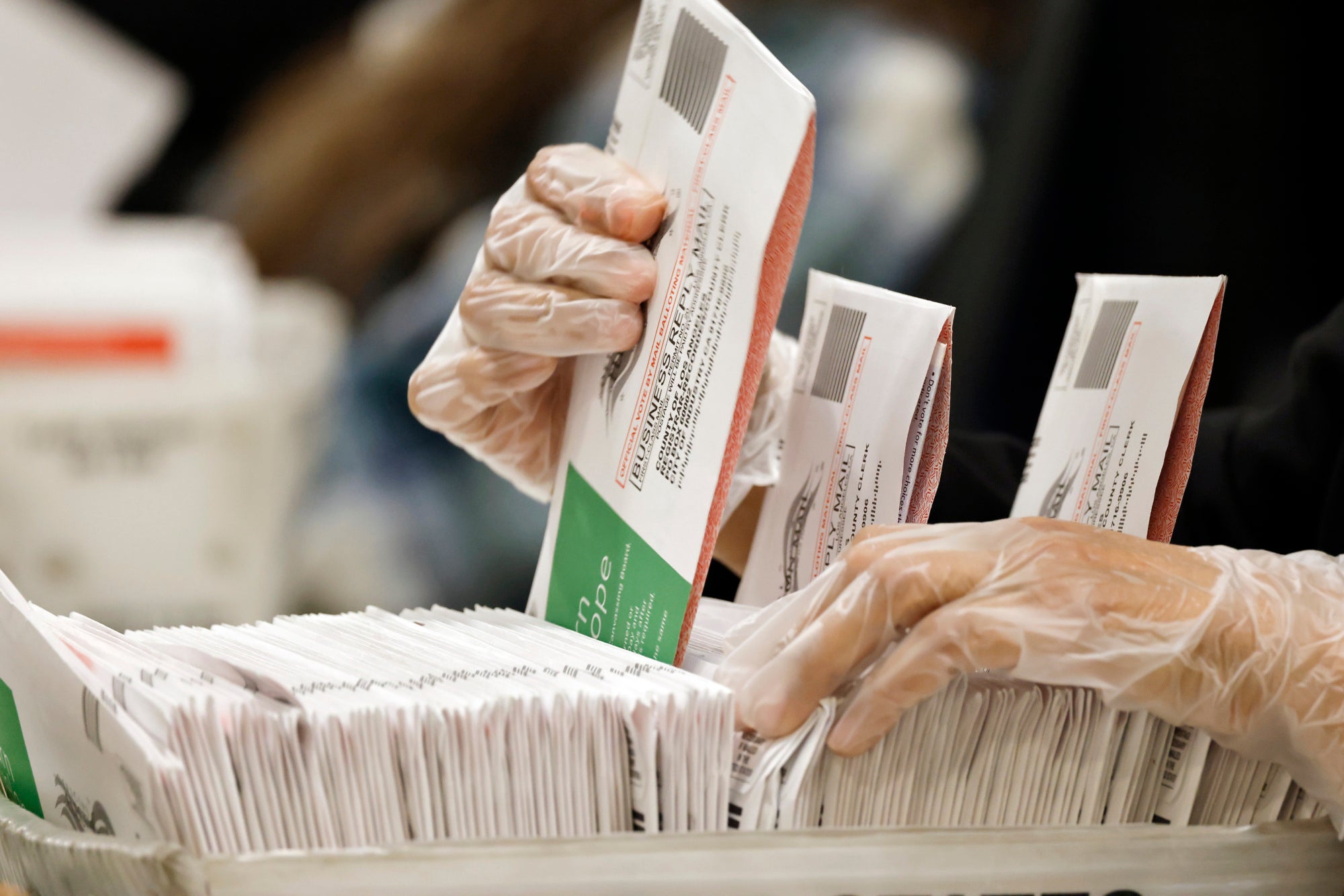
Research shows that election fraud is extremely rare even as public concern about fraud remains high. This difference in realized vs. perceived fraud is especially important as election-night vote totals often shift as votes are tabulated, counting can take days, and administrative discrepancies can emerge, all without indicating fraud. For reporters covering elections, understanding what processes are normal vs. which ones warrant scrutiny is essential. SciLine’s next media briefing will examine how election officials prevent fraud, detect problems, and verify that reported outcomes accurately reflect the votes cast.
During this briefing, experts will discuss:
- What is election fraud, how common it is, and how can it be distinguished from routine changes in vote totals, administrative errors, and other normal aspects of vote counting;
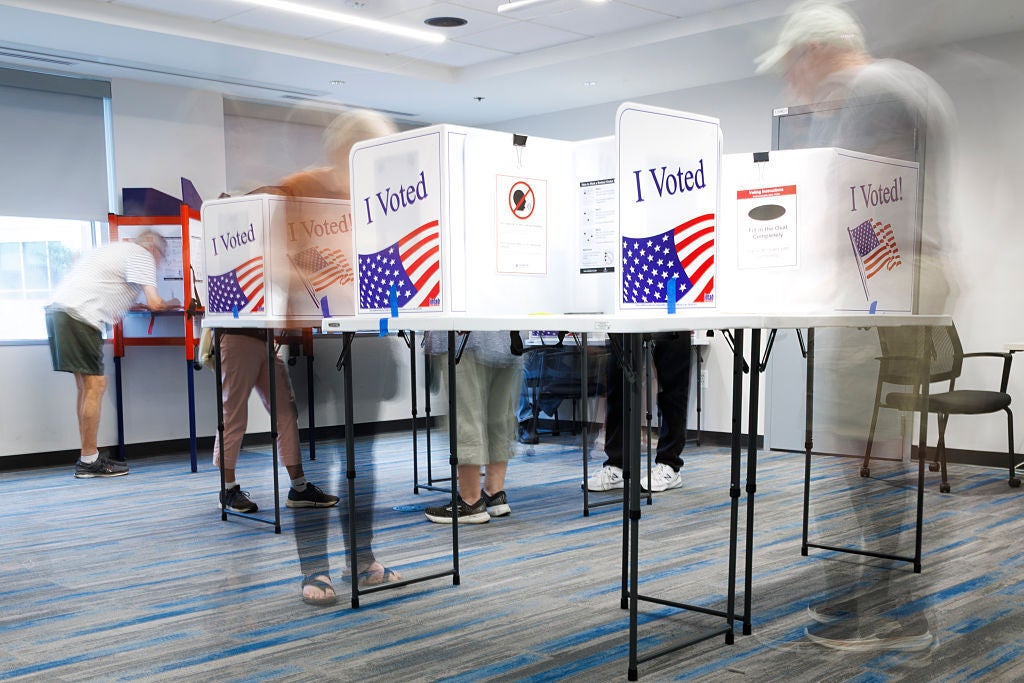
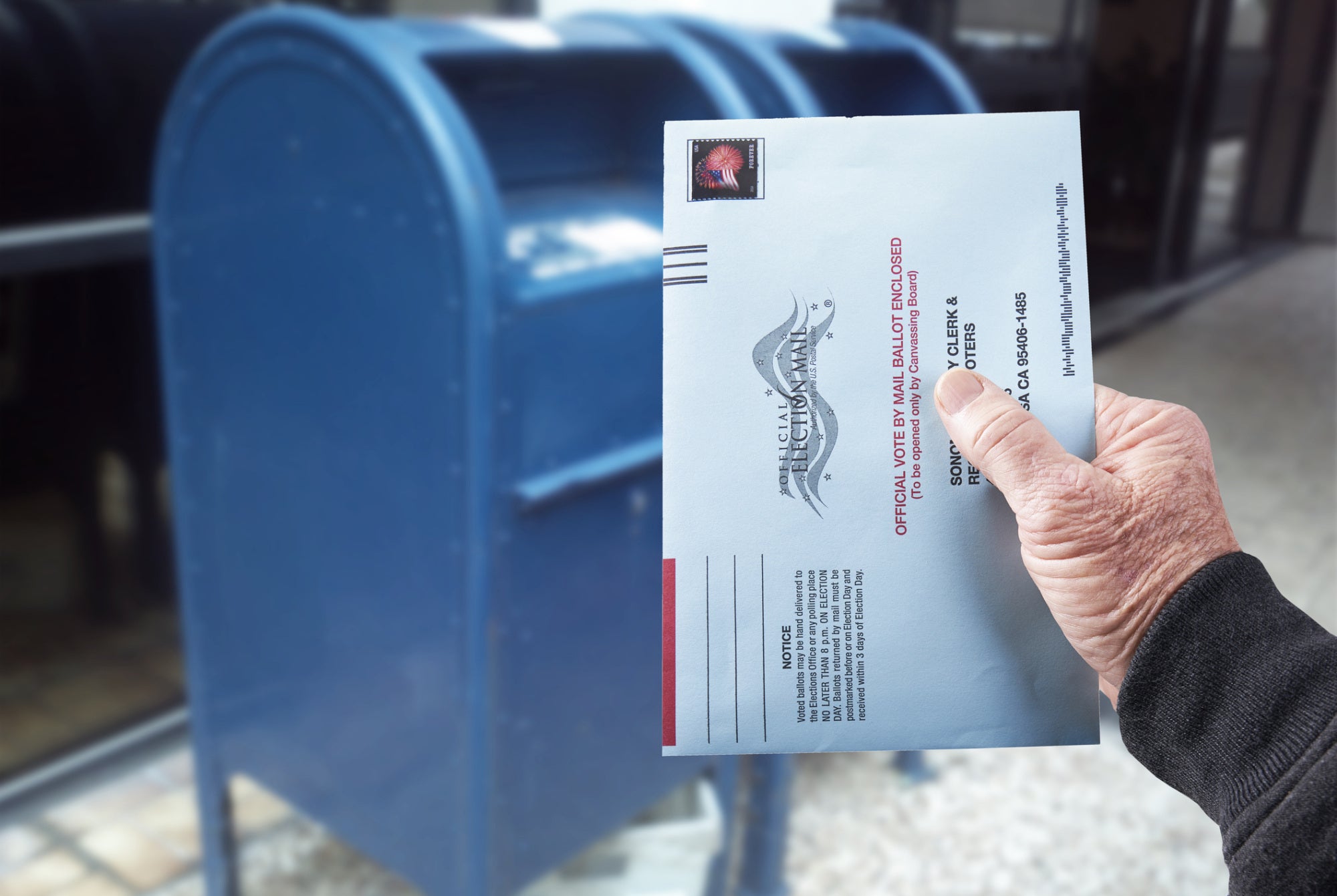
- How safeguards around voter registration, mail-in and provisional ballots, poll workers, and ballot reconciliation all help prevent and detect improper voting or tampering;
- How audits, recounts, and routine reviews are conducted in various jurisdictions, and how risk-limiting audits can help insure that an election outcome is correct; and
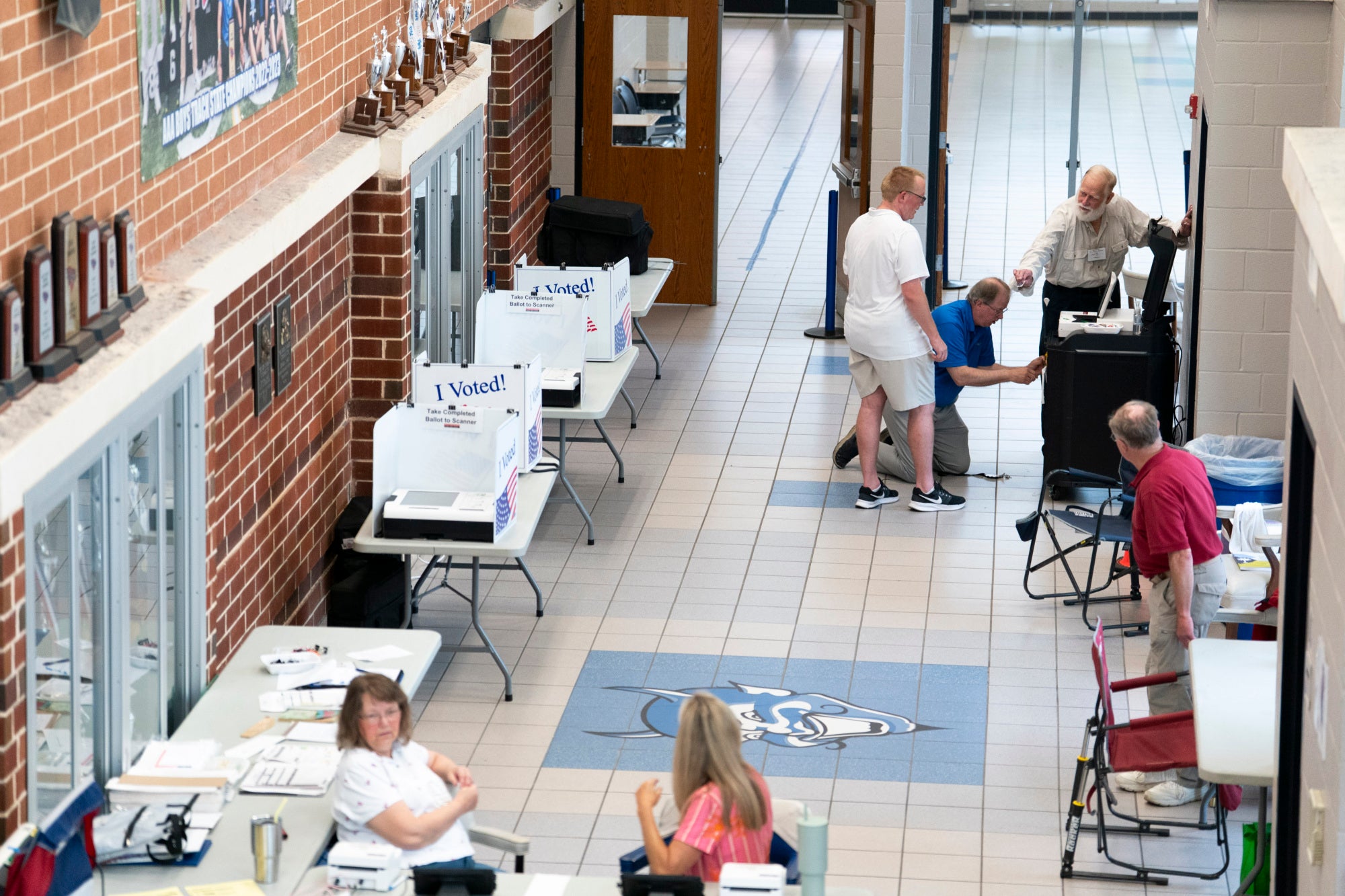
- What reporters should watch for in the days up to and immediately after Election Day, especially when margins are narrow and results are still being tabulated, or if claims of fraud being to circulate.
Three panelists will participate in a moderated discussion, then take questions from reporters, all on the record: