Coming up in 9 days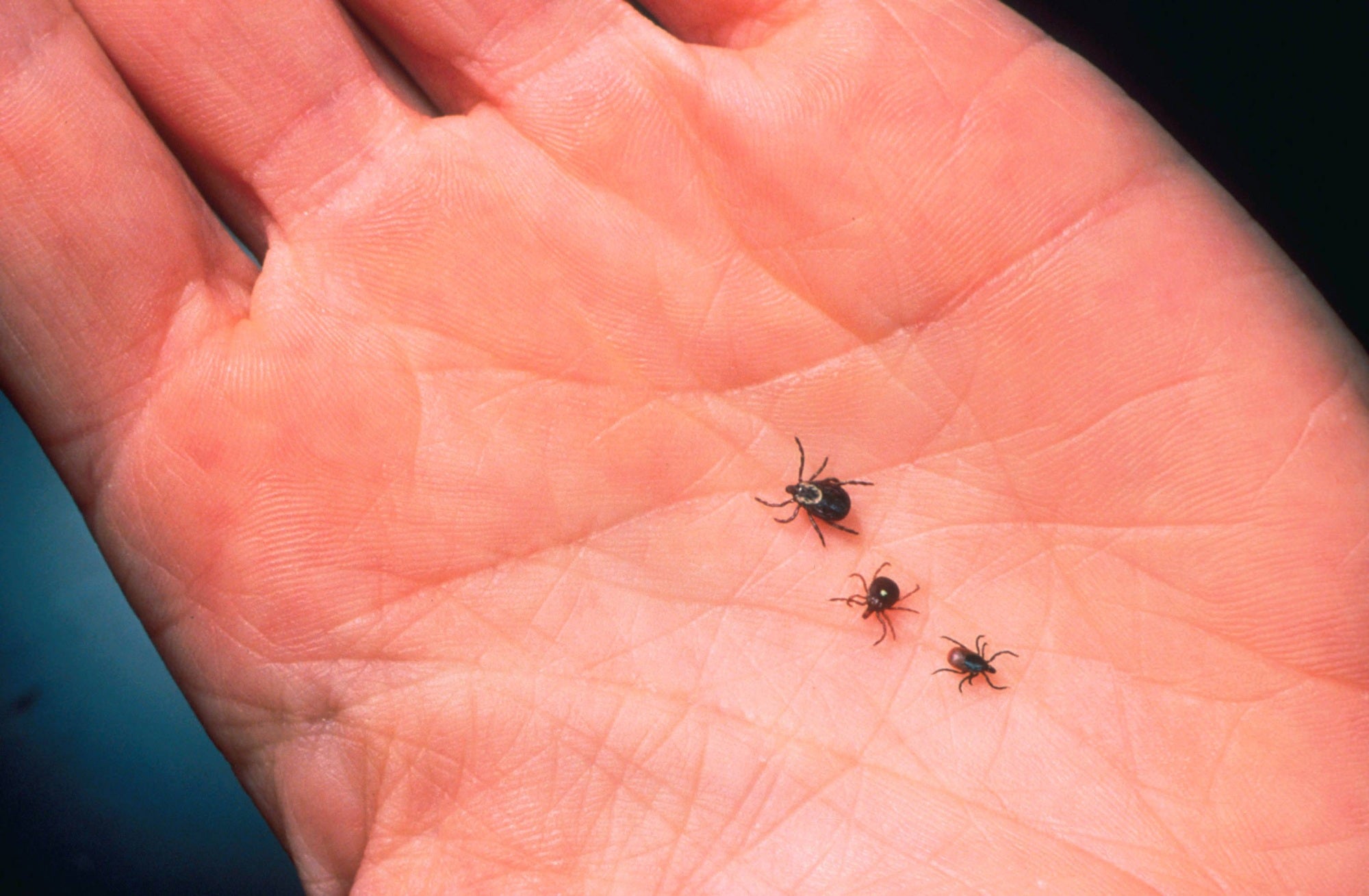
What are Media Briefings?
With warming weather, tick season tends to be at it’s peak in June and July across much of the country, and this year ER visits for tick bites have been higher than usual in many parts of the country. SciLine’s briefing focused on ticks, tick-borne diseases, and the latest science on how changing environmental conditions are affecting tick populations and disease risk across the United States. Experts discussed:
Three panelists participated in a moderated discussion followed by reporter questions, on the record, and the final 15 minutes of reporter Q&A was reserved for questions and responses in Spanish.
Panelists:
High definition (mp4, 1920x1080)
CHRISTIAN MONTERROSA: Hello, everyone, and welcome to SciLine’s media briefing on ticks, tick borne diseases, and the latest science on how changing environmental conditions are affecting tick populations and disease risk across the United States. With warming weather, tick season tends to be at its peak in June and July, across much of the country. And this year, ER visits for tick bites have been higher than usual in many parts of the U.S. My name is Christian Monterrosa. I’m the engagement manager at SciLine, and I’ll be moderating this briefing, including a Spanish language Q&A segment in the final portion. Spanish speaking attendees, feel free to submit your questions in Spanish at any time by clicking the Q&A button, and those will be addressed once we switch.
Para los periodistas hispanohablantes, cambiaremos a español en la parte final de esta conversación. Si tienen preguntas para nuestros panelistas, por favor envíenlas usando el botón de Q&A que se encuentra en la parte de abajo de su pantalla de Zoom. Gracias.
To give you a bit of context about SciLine, we’re an editorially independent nonprofit based at the American Association for the Advancement of Science and funded by philanthropies. So all of our services for journalists are free. Our mission is to make scientific evidence and expertise accessible for journalists reporting on all sorts of topics.
That might be stories explicitly related to science, like news about ticks or reporting on a beat like local news or public health, where the science angles are less obvious but just as useful. More of our resources are available on sciline.org. You can also click the blue I Need An Expert button anytime you need to speak with a scientific expert for your story, and we’ll look for a source with the right background to answer your questions before your deadline. Today, I’m joined by three experts who study ticks and tick borne diseases. I’ll let each of them introduce themselves and their topics of research. Dr. Pilar Fernandez, would you go ahead?
PILAR FERNANDEZ: Yes. Hi everybody. I’m Dr Pilar Fernandez. I’m an assistant professor at Washington State University. I’m part of the College of Veterinary Medicine, but I work on the ecology and epidemiology of vector borne diseases in general, part of my research is focused on tick borne diseases.
CHRISTIAN MONTERROSA: Thank you. Dr. Adela Oliva Chavez, would you introduce yourself?
ADELA OLIVA CHAVEZ: Yes. Hi. I’m Dr. Adela Oliva Chavez. I’m at the University of Wisconsin Madison in the Department of entomology, and I specialize in mix of microbiology and entomology, understanding what is happening at the bite site when the tick is transmitting pathogens and we also are trying to develop vaccines for the control of ticks and tick borne diseases.
CHRISTIAN MONTERROSA: Thank you. Dr. Alvaro Toledo, would you introduce yourself?
ALVARO TOLEDO: Hello, everyone. My name is Alvaro Toledo. I’m an associate professor in the Department of Entomology at Rutgers University, and my research focus on pathogenesis of Lyme disease and also methods to control and prevent tick bites.
How is climate change affecting tick populations and their geographic range?
CHRISTIAN MONTERROSA: Thank you all for being here. Before we begin taking audience questions, I’ll ask each of our panelists a few questions myself. Journalists, again, you can submit your English or Spanish questions at any time during the briefing. Just click the Q&A icon at the bottom of your screen, and please let us know if you’d like your question directed to a specific panelist. We’ll be posting recording of this briefing on our website later today with a transcript following in the next couple of days. With that, let’s begin. My first set of questions is for Dr. Fernandez. How are climate and environmental changes affecting tick populations and their geographic range?
PILAR FERNANDEZ: Yes, that’s a really interesting question and it’s not that easy to answer. The reality is that there’s two things happening at long endemic areas in areas where tick borne diseases have been there for many decades now. And that is something that it’s a little bit complex to understand how the climate is affecting tick populations and especially the transmission of diseases. Because ticks they live many years. Probably people are familiar with the studies looking at how temperature and precipitation affect mosquito borne diseases. But mosquitoes, the lifespan is really short, so it’s really easy to connect that to changes in precipitation and temperature because ticks can live up to two years, maybe three depending on the conditions that makes it a little bit complicated to understand what the effects and the lag effects, the delayed effects of increased temperature and precipitation might affect.
Obviously, all the insects, arthropods, they don’t regulate their temperature, so they’re more susceptible to temperature, we just don’t understand how it will affect their life cycle, their survival, and also how it affects the other part of the system, which are the hosts, how also white footed mice might be affected by changes in temperature and precipitation. And how that affects the rodent population will also affect because those are the reservoir for the bacteria for most of the tick borne diseases, then we don’t know how that will eventually affect the transmission. What we do know, though, that I wanted to say we’ve seen a trend on what is happening at the forefront of expansion. Definitely, there is a geographic expansion, we can see effects of expanding to areas where maybe in the past, we’re limited by overwintering temperatures that were maybe too cold and now with rising temperatures, we do see a geographic expansion.
Why are some communities and regions seeing increases in tick encounters and tick-borne diseases?
CHRISTIAN MONTERROSA: Yes, along those same lines, why are some communities or regions seeing these increases in tick encounters and diseases?
PILAR FERNANDEZ: Yes, that is one of the things that we are really interested, what is happening at the forefront. The areas that had been hyperendemic for a long time where we see most of the cases are traditionally people have been living with tick borne diseases. Also people have adapted to basically live with ticks so they protect themselves more. But what’s happening at the areas where tick borne diseases are emerging or ticks are moving into, people are less familiar with it, they have less knowledge, so they’re more exposed to it. But also, yes, we see an increase in the tick populations happening really quickly.
What misconceptions exist about how people respond when they encounter ticks?
CHRISTIAN MONTERROSA: Yes, so as a result of this rare exposure to these ticks, are there any misconceptions about what people know or what they’re most likely to do when they encounter ticks?
PILAR FERNANDEZ: I think most of people associate tick borne diseases, especially ixodes scapularis, which is the main vector for Lyme disease. They associate that with forest, which is true. I think there’s a lot of people that maybe don’t realize that they might be exposed to other tick species in other areas. Ticks are going to be in vegetated areas. But depending on how resistant they are to desiccation, you might find them in more grasslands or maybe in forest. Ixodes scapularis, the black legged tick, it’s mostly in areas where they can keep some humidity. That’s why we associate them forest. But for example, the lone star tick, the amblyomma americanum, they are a little bit more resistant. You can find them maybe in other areas more in grasslands, the same with the dog tick or the dermacentor variabilis. They can also transmit diseases. In the case of the lone star tick, they also can create this meat allergy that probably the Alpha-gal allergy that people probably have heard about it now.
What should journalists understand about uncertainty and complexity in tick ecology research?
CHRISTIAN MONTERROSA: Yes. I know we’ll be getting into that a little bit later on. Finally, what should journalists understand about uncertainty and complexity in tick ecology research?
PILAR FERNANDEZ: Yes, the same, what I said before, this is the life cycle of the tick is very long. They are active during a time period, so they’re different life stages. They all need to feed on, take a blood meal, basically, they all can from larvae to nymph to adults, they all need to get a blood meal, and they can all get on humans and get a blood meal. Usually larvae, when they hatch from the eggs, they’re not infected, we usually don’t tend to worry about those much. They’re very tiny, people have really hard time seeing them, but they’re usually not infected because they just hatched from the egg and it’s their first blood meal. They acquire the infection when they get the blood meal. But nymphs are active during this time of the year mostly and that’s when people get most exposed because they’re more outdoors, they’re still tiny enough so that people don’t see them.
They can spot the adult ticks easily, but they’re active usually earlier in the spring and later in the fall. Because people can catch them early and remove them earlier, they have lower chances of getting Lyme disease, for example. But because they’re active in different life stages, the life cycle takes at least two years, understanding the control measures and how we can understand the landscape and environmental changes that might occur. It’s really hard to pinpoint to how it will affect and predict is it going to be a high tick year or low tick year? We can do it for other vectors, as I mentioned, but for tick borne diseases, it’s a little bit more complicated.
How quickly can disease transmission occur after a tick bite?
CHRISTIAN MONTERROSA: Thank you so much. I want to turn now to Dr. Chavez on some of these questions on transmission. Dr. Chavez, how quickly can disease transmission occur after a tick bite?
ADELA OLIVA CHAVEZ: That is dependent on the pathogen that the ticks are transmitting. In the case of Lyme disease, that is the most commonly known. Research has shown that it has to pass 24 hours. After the 48 hours, that’s when transmission increases in the chances. That is why the CDC recommends that people remove the ticks in the first day after they go to do activities outside. If you go to the CDC, it will give instructions on how to remove the ticks and the timing. Usually in those first 24 hours, if the people remove the tick is safer than if you wait more than 48 hours. Now the problem is sometimes ticks might be infected with viruses. Ticks can transmit viruses like the Powassan virus in the case of the deer tick is not as common as Lyme disease and human granulocytic anaplasmosis, but it can be transmitted and that virus only takes 15 minutes.
That’s why we recommend to prevent ticks from getting into you and biting you because the problem is also that these viruses can be transovarily transmitted, which means that the mother passes to the egg and the larvae can become infected in the case of virus. So the best that you can do is to prevent the tick bite by using repellants, protective clothing when you go hiking or you’re doing things in areas where you might be exposed to things.
Are all tick bites dangerous, or does risk vary by species and life stage?
CHRISTIAN MONTERROSA: Thank you. Does that mean that all tick bites are dangerous or is it only certain species and their different life stages?
ADELA OLIVA CHAVEZ: It’s certain species, the relationship between ticks and pathogens is very close. Certain ticks are transmitting certain pathogens, for example, the deer tick transmits Lyme disease and it transmits human granulocytic anaplasmosis. Some ticks also don’t bite humans. Ticks can be either a generalist or a specialist tick. In the case of the generalis tick, it means that it’s going to feed on several different species of animals, including humans. Usually, those are the ones that can bite humans and transmit. But there are several species in the United States that bite humans and transmit pathogens.
Are there limitations on current tick control or management approaches?
CHRISTIAN MONTERROSA: Thank you. In regards to tick control, are there any limitations on current tick control or management approaches?
ADELA OLIVA CHAVEZ: Yes, one of the issues right now is that most of the management that is done with ticks is either based on modifications of the environment like cutting grass or limiting the type of vegetation that is in national parks and things like that. But that only helps so much. The other type of control that is used is the use of the special chemicals, acaricides that are targeting especially ticks. But the problem with acaricides, one, it’s toxic. So people that, for example, have ticks in their backyards need to call specialized people to come and apply those chemicals. It’s not like you can go to Walmart and get the chemical and apply it yourself. The other problem is that it doesn’t cover all the vegetation, so you might not get all of the ticks. In certain areas like parks, you cannot apply them because they might kill mites or other beneficial insects that are present in the area. So those are some of the problems that exist with tick control at the moment, and that’s why it’s so difficult to control them.
Are there new technologies or strategies that researchers are exploring for tick control?
CHRISTIAN MONTERROSA: Yes, you touched on this a little bit, but are there any new technologies or strategies that researchers are exploring for tick control, maybe things that aren’t out yet?
ADELA OLIVA CHAVEZ: Yes, actually, there are several different types of tick control that people can use in their backyards. One that is being investigated right now and that the USDA actually has approved for use, but I haven’t seen it in the market, is they have developed a bait that carries a vaccine so that you can vaccinate the white footed mouse that Dr. Fernandez mentioned is the host for Lyme disease. The idea is that the animal will develop antibodies that kill the pathogen, so it doesn’t become infected and not only that, when a tick that is infected bites the animal, the antibodies from the animal can kill the bacteria that is inside the tick. That is one technology that is fairly new.
There are also boxes. So it’s a box that is available in the market where the animal can come inside of the box. The box has a bait, and then the animal can apply itself with an insecticide that kills the tick on that specific mouse. That helps because then you’re not applying pesticides that are in your house, is contained inside of the box and the animals are treating the ticks. And several different people are also trying to develop what we call an anti-tick vaccine. The idea is that the animals, when the tick bites an animal, then the animal kills the tick. So that tick is not able to then acquire the pathogen or transmit the pathogen.
Are there any other tick borne infections out there and what symptoms should people watch for after a tick bite?
CHRISTIAN MONTERROSA: Very interesting. Thank you. I want to turn now to Dr. Toledo. We know Lyme disease is being spread by ticks, but are there any other tick borne infections out there and what symptoms should people watch for after a tick bite?
ALVARO TOLEDO: So there are other pathogens transmitted by ticks, including viruses, bacteria, and parasites. The most common diseases transmitted by ticks in the United States are Lyme disease, human anaplasmosis, human babesiosis, and different forms of Rickettsiosis. In terms of symptoms, initially, most tick borne diseases cause like a febrile illness, which are characterized by fever, headache, muscle pain and joint pain. There are not really various specific symptoms for most of them. So physicians need to be vigilant and aware if they receive a patient with symptoms that are compatible with a tick borne disease because most patients develop these and a specific febrile illness. In addition, many people that developed a tick borne disease don’t recall being bitten by a tick and even in those cases in which, for example, in Lyme disease where you have the bullseye rash, which is a characteristic sign of the disease. Even in those diseases you have that like Lyme disease, not everyone develops this clinical sign. There are still 20, 30% of people that don’t develop specific clinical signs or symptoms that you could associate with any specific tick borne disease, which make these diseases in general difficult to diagnose early on.
Are certain populations at greater risk for severe disease outcomes and how should people respond if they discover a tick bite?
CHRISTIAN MONTERROSA: Thank you. Are certain populations at greater risk for severe disease outcomes and how should people respond if they discover a tick bite?
ALVARO TOLEDO: So there are risk factors associated with severe disease for certain diseases like human Rickettsiosis, human anaplasmosis, and so on and so forth. Risk factors are, for example, age. There are people, particularly elderly that are at higher risk of developing severe illnesses compared to younger people. This is very well known for, for example, human babesiosis. Where young people, can cause it subclinical with not really symptoms. Well, older people can develop a very severe clinical manifestations. And other factors that are involved in the severity of disease are, for example, immune status. People that are immunocompromised, for whatever reason, maybe they are cancer patients and they’re receiving treatment or they are using some drugs to lower the immune response. This is very common in people that have some skin conditions, for example, or people that are immunodepressed because maybe they’re co-infected with HIV or for whatever reason it is, they are at higher risk of developing severe disease.
If someone finds a tick bite, what is the proper way to respond?
CHRISTIAN MONTERROSA: If someone does discover a tick bite, what would be the proper way to respond?
ALVARO TOLEDO: Well, the first thing that you need to do is to remove the tick. As Adela mentioned before, you have a window of opportunity to remove the tick before it transmits the pathogen to you. The idea is to grab the tick and pull the tick up vertically so you don’t leave the tick behind or the mouth parts behind, disinfect the area and watch for symptoms in case you develop headache, fever, or anything, go to your doctor and the doctor will assess the situation and provide treatment if that’s the correct way to proceed.
What do we know about Alpha-gal, the red meat allergy caused by tick bites?
CHRISTIAN MONTERROSA: Thank you. And finally, what do we know about the red meat allergy caused by tick bites?
ALVARO TOLEDO: So red meat energy is something relatively new that we have been more aware in the past ten, 15 years, is produced by glycoprotein. Well, there’s an Alpha-gal which is a glycolipid present in certain proteins in the saliva of the tick. When the tick bites you, it produces these proteins and injects these proteins in the host to prevent coagulation and also some of them add as pain killers so people don’t notice the bite of the tick. Some of those proteins that are injected when the tick is feeding contain the glycoprotein with the Alpha-gal motif. Which is very similar to an Alpha-gal motif that is present in meat. People that are bitten by ticks, they potentially can develop this allergy to the Alpha-gal motif in these glycoproteins and their immune system identify this Alpha-gal motif present in the meat of certain animals as part of the tick saliva. It confuses our bodies and produce this allergic reaction.
What local or regional data sources should reporters consult to find information on ticks and tick-borne diseases?
CHRISTIAN MONTERROSA: Thank you all so much for your answers. We want to open it up now to a Q&A with reporters on the call. Again, if you’d like to submit your question, you can do so by using the Q&A box at the bottom of your Zoom screen. To start us off and this question is open to any one of the panelists, what local or regional data sources should reporters consult to find information about ticks and tick borne diseases in their states or communities?
ALVARO TOLEDO: Well, in New Jersey, we have different resources. One of them is the New Jersey Department of Health that has a vector borne disease program. If you go to the website, you can see data on annual and weekly surveillance reports. You have a county level human case counts. You have sometimes tick infection surveillance data and you have also guidance for clinicians and the public. You also have at Rutgers, we have a comparative extension. You can find information about ticks. We have a spreadsheet about different tick species, pathogens that they transmit, where you can find them, ways to prevent them, and so on and so forth.
We also have a community science project called Ticks for Science, in which people can submit their ticks to Rutgers for identification and also for pathogen identification. Different counties in New Jersey, they have a mosquito control agency. And although not all of them do tick work, some of them can actually provide feedback on ticks. That’s another resources. Lastly, I would say local health departments, they can provide more probably refined data about the situation of tick bone diseases in a specific location. If you’re looking more into general data, I think the CDC is probably the best source to get data for the entire country in terms of ticks and tick borne cases.
CHRISTIAN MONTERROSA: Thank you. Any other recommendations?
ADELA OLIVA CHAVEZ: Yes, I would say that I will echo what Alvaro said. Here in Wisconsin, the best resource will be the Department of Health. The Department of Health has a vector borne disease division that keeps the data on tick encounters, of tick bites, transmissions of Lyme disease, et cetera. So each state usually has a health department that will keep that data. Here in Wisconsin, there is also a Center for Disease initiative that is part of the CDC. The CDC funded different centers throughout the United States and they also keep data on ticks.
What prevention measures work for farmworkers and others who spend hours in tick habitat before they check themselves?
CHRISTIAN MONTERROSA: Thank you. I’ll now turn to our first question from the audience. Our first question comes from Enlace Latino NC in North Carolina. For people who spend the whole day working in tall grass and brush, like farmworkers, what prevention measures actually work when they can’t check themselves for ticks until hours later?
ADELA OLIVA CHAVEZ: That’s a very good question. Some of the recommendations that we give to people that are working in the field is to wear light clothes. Because if you’re wearing light clothes, it’s going to be easier to spot a tick when they are crawling on you. We also recommend to treat your clothes with permethrin. There are some companies that ready sell permethrin through the shoes or different garments that you can put. So how it works is when the tick start crawling into you, the permethrin is going to affect the tick and the tick is going to dislodge and not be able to bite you. That’s some of the recommendations that we get.
For someone diagnosed with Alpha-gal syndrome, how strict is the dietary restriction in practice?
CHRISTIAN MONTERROSA: Thank you. Also from Enlace Latino North Carolina, for someone diagnosed with Alpha-gal syndrome, how strict is the restriction in practice? Does it affect only beef or also pork, dairy and other animal products?
ALVARO TOLEDO: Not all animals have Alpha-gal, so it’s fundamentally beef. You can still eat chicken and you can still eat fish, for example. Then the severity depends really on the person. There are person which the severity of the allergy is more pronounced than in others. That’s basically on an individual basis. The reaction is not also something that will be necessarily permanent. Some people develop an Alpha-gal syndrome that over time, they can recover and do more a normal life. It is something that is dynamic and individual, based on the individual.
Which home remedies for tick removal increase infection risk, and what is the correct removal method?
CHRISTIAN MONTERROSA: Thank you. There are home remedies for removing a tick, like burning it or covering it with petroleum jelly. Which of these practices increase the risk of infection and what is the correct way to remove a tick?
ADELA OLIVA CHAVEZ: Yes, do not burn it and do not put Vaseline, please. The best way to do it like Albert said is to, just find tweezers, come as close as possible to what we would consider the head of the tick. It would be the bases that is touching your skin and do a straight up movement. So the whole tick comes out. Like Alvaro said, you have to try not to leave the mouth parts because sometimes the salivary glands will be still connected to those mouth parts and there might be transmission still. It also increases your chances of a secondary infection by other bacteria because you have that wound in there. So the best is just to remove straight the tick, like I said before, the CDC has pictorial instructions on how to remove them if anybody wants to change.
How much does the average person need to worry about contracting a life altering tick- borne disease like Powassan, Alpha-gal, and Lyme?
CHRISTIAN MONTERROSA: Thank you. Now, question from nj.com. How much does the average person need to worry about contracting a potentially life altering tick borne disease such as Powassan, Alpha-gal, and Lyme?
ALVARO TOLEDO: So I will say that you have to be vigilant if you live in an endemic area. Because in an endemic area, the ticks are going to be present and every time that you go out, there is potential for being bitten by a tick species. Adela and Pilar were discussing before that different tick species exploit different habitats. But many of them, for example, amblyomma, the lone star tick, or the deer tick, or the American dog tick that can exploit different environments. They can transmit pathogens and they can bite people and transmit those pathogens to people. So you have to be aware that every time that you go out, even if you’re going in your own back yard to do gardening, there is a potential for tick bites, particularly if you live in the Northeast, upper Midwest or areas in which ticks are common. The best approach is to use repellents. Use repellents every time you go out to prevent tick bites and do tick checks every time you come back home, even if you were just gardening in your backyard, because that’s the best approach to prevent tick attachment, tick feeding, and subsequently transmission.
Where does research stand on developing a vaccine for tick-borne diseases?
CHRISTIAN MONTERROSA: Thank you. Another question from nj.com. Where does research stand in terms of creating a vaccine to prevent tick borne diseases?
ADELA OLIVA CHAVEZ: Like I mentioned before, there is already a vaccine that is a bait based vaccine that can be used to prevent vector borne diseases in the host in the white footed mouse. In humans, that is a little bit more complicated. And there is an anti Lyme vaccine that is right now I think on phase two. With humans, the process of vaccine development takes different phases. The first one is looking if it’s safe, the vaccine itself is safe for people. The second one is to test it in several different bigger pool of people to see is it still safe? If we inject pregnant women, if we apply it to children, all those steps have to pass.
Because a lot of people don’t remember this, there was an anti-Lyme vaccine back in the 90s and early 2000s that had to be taken out of the market because some people started to develop secondary reactions to the vaccination. So right now we’re trying to avoid that, so we are going slower in the process of developing vaccines. The vaccine is being developed by Pfizer and it will be in the market once they know that it’s safe. The anti-tick vaccine that we’re working to develop, different groups are working on a different version of this vaccine, is more early. I don’t think that anybody has even passed the animal trials. First, you do animals and you move to humans, then humans that are protected, like children, pregnant women, et cetera.
I will just add that there are many tick borne diseases. There is not going to be a universal vaccine for all tick borne diseases. You might develop a vaccine for one, but still that doesn’t protect you against other tick-borne diseases. So regardless of whether we see in the market one vaccine for one disease, people will still have to keep using repellents in order to be protected from tick bites and potentially from other tick-borne diseases.
Should a tick bite be reported in the location where it occurred or where the patient lives, and does that create gaps in accurate tick mapping?
CHRISTIAN MONTERROSA: Thank you. A reporter in WCAB News in North Carolina asks, if someone gets a tick bite while hiking on a trip away from home, should it be reported in their home location or the place where they were bitten? And relatedly, when someone goes to the doctor for a tick bite in one county but lives in another, does that lead to gaps in accurate tick mapping?
ADELA OLIVA CHAVEZ: When you report, you report at the place, usually the report is done by the clinician to the CDC. So you will go to the hospital with symptoms or a tick bite and the clinician then will send that information to the CDC. If the clinician makes questions like, where was the tick bite, where did the tick bite happen, and that type of question, then it is associated with where the tick bite potentially happened. But if the person doesn’t remember where they were bitten, then it will be recorded as the place where the physician made the report. So it can lead to misinterpretations of where diseases are happening and being but for most of the time, the physicians are going through when they are asking those questions.
ALVARO TOLEDO: Yes. I will add that if you are traveling and you got bitten by a tick, and then you go back to your hometown and you start developing some symptoms like fever or whatever it is, you need to report that to your physician. You need to report that you recall a tick bite, that you removed the tick and that you went and that you traveled potentially to an endemic area where tick borne diseases are present. Because otherwise, physicians that don’t live in endemic areas might not have a high suspicion of tick borne diseases when the patient presents a febrile illness in the first week or so. It’s important to report those things to your physician.
PILAR FERNANDEZ: Thank you. I’m sorry for being off camera. I lost Internet connection. It should be OK now. But one of the things that I wanted to highlight regarding this is that that is one of the limitations that we have to understand what is the actual distribution and how it will behave and to make predictions into the future. Basically to forecast how the changes might affect the tick populations, and especially the transmission, because we can understand in a way how the ticks are going to be affected. But the other part of the equation is how people get in contact with ticks. That is a very dynamic process and it really depends on the decisions that people make. Part of the research that we’re doing is trying to combine that human behavior into the tick ecology to understand how do we translate that tick hazard or the tick density into actual risk for humans. But the limitations that we have is that we don’t necessarily know sometimes where people are finding the ticks because people don’t recall where they got the ticks sometimes.
Are there differences in tick bite symptoms between Latino and non-Latino patients?
CHRISTIAN MONTERROSA: Thank you, Dr. Fernandez, and welcome back. Our next question is from CNY Latino Newspaper in New York. Are there differences in the symptoms of tick bites experienced by Latinos versus non Latinos?
ALVARO TOLEDO: Not really. A tick bite is a tick bite. Again, this is more at the individual level. Some people get more of a reaction just by the tick bite than others. Some people can develop Alpha-gal, others don’t develop Alpha-gal syndrome, which is known as the meat allergy. But in terms of differences in ethnicity, I would say that there are more individual differences within the entire population than within ethnicities per se.
Can tick-borne illnesses be transmitted human to human?
CHRISTIAN MONTERROSA: Okay. A next question is from a freelance reporter based in Kansas. Is it possible to transmit tick borne illnesses human to human?
ALVARO TOLEDO: The answer, again, there are many tick borne diseases. The answer for that in general is no, but there are certain pathogens that can be transmitted through blood transfusion. It’s not really human to human, right? Directly by direct contact. But through transfusion, for example, babesiosis can be transmitted. Human babesiosis can be transmitted. Human anaplasmosis can be transmitted, human ehrlichiosis can be transmitted. In general, pathogens that parasite cells in our bodies, either immune cells or red blood cells, have the potential to be transmitted through blood transfusions.
PILAR FERNANDEZ: Yes, just to add to that, one of the common things about vector borne diseases is that in general, they need to be amplified in the vector whether it’s a tick or mosquito or any other type of arthropod vector. And so when it’s amplified when the pathogen, whether it’s a bacteria, parasite or a virus, it will be amplified in the vector and that’s why it basically needs that mediator to be able to transmit between humans or non human host to humans.
What is the prognosis for Alpha-gal syndrome—does it last for life, or can patients eventually develop tolerance?
CHRISTIAN MONTERROSA: Thank you. Our next question comes from Asbury Park Press in New Jersey. It’s for Dr. Toledo. What is the prognosis for Alpha-gal syndrome? Does it last for life or can patients eventually resist the allergy?
ALVARO TOLEDO: Well, as I mentioned before, it depends on the patient. Some people have a mild allergy, others have a more severe form of Alpha Gal syndrome. In general, it tends to get better over time. But it also depends where you start. If you start with a high or a very severe reaction, to what extent you’re going to be able to eat meat in the short term, is very questionable. If it’s mild, probably within a reasonable period of time, you will be able to resume eating beef normally. But it depends on the person and how bad the reaction is for each one.
What causes a second wave of tick activity in early fall, and what should people do about it?
CHRISTIAN MONTERROSA: Thank you. Our next question from KXMB CBS 12 in Bismarck North Dakota. We have deer ticks and wood ticks in the state, but can you explain the second wave or early fall resurgence of ticks and what types of conditions allow ticks to hang around or linger into October, and what should people do about it?
PILAR FERNANDEZ: In October, what you usually see are the adults, the adult black legged ticks. Usually the dog ticks and the other life stages for the black legged ticks are active during our summertime, spring and summer. Usually by July, you should be seeing a decrease in intake activity for nymphs and the dog tics and an increase in the larva. But as I mentioned, the larva are not-, even if they’re in big numbers, they’re very tiny and usually they don’t impose a risk to transmission of diseases. The second wave that you see in the fall is usually the adults that are basically the nymphs that took a successful blood meal and they molt into adults and they become active in the fall. That is also another risk period because those adults, if the nymph fed on an infected animal, they will be able to transmit the diseases to humans. But as I mentioned, they tend to be bigger, so people tend to spot them sooner. And for Lyme disease, that will kind of reduce the risk in a way because people can remove them quicker. But basically, what you will be seeing in the fall is the black legged ticks adults.
Is the current legislative and federal focus on Alpha-gal warranted, and what do researchers need from the federal government?
CHRISTIAN MONTERROSA: Thank you. Our next question from CQ roll call. Lately, there has been a lot of focus on Alpha-gal as lawmakers are considering a bill to boost research funding, and HHS Secretary Kennedy has focused on the disease. Is this focus warranted? What do you as researchers need from the federal government?
ALVARO TOLEDO: So I think—I mean it’s important that Alpha-gal is getting some traction to support research. But I think we need to support research in general for tick borne diseases, not just only for one aspect or one condition that they produce. There is also need to study the disease better, the pathogenesis better, but also the ecology of these tick borne diseases. So I think we need more an overall approach, not just compartmentalize different aspects and target just one of them. Although it’s helpful that at least there is—in doing something about Alpha-gal.
PILAR FERNANDEZ: Yes, and where there’s always a push for other diseases, we can also benefit from all the research. Having a hallmark disease is not bad per se, and it is something that we are curious about and we want to understand more. The lone star tick that causes most of the red meat allergy, it is a more aggressive tick, so it tends to—while black legged tick is more passive and people need to go into places and brush against where they’re questing, the lone star tick kind of will be—let’s say you’re having a picnic or you’re in an area, it will follow you. It will be more aggressive and move towards the host. So, it tends to be, the behavior is different for that tick and it’s interesting to study. One of the things that I wanted to highlight about the type of research that we do in the ecology side of things because the life cycle is so long and it involves so many non human hosts. It is research that takes time and time is money as well, so it is expensive research that takes a little bit more time and sometimes the turnaround, it’s not conducive to that for the grant cycles.
Can yard spraying for ticks inadvertently harm pollinators like bees and butterflies?
CHRISTIAN MONTERROSA: Thanks. From KCUR Public Radio in Kansas City, we’re seeing companies advertised to spray people’s yards for ticks. Based on what the panelists have said, do I understand correctly that this kind of lawn treatment may kill the ticks, but also inadvertently kill bees, butterflies, and other insects that a lot of homeowners are now trying to help by planting pollinator gardens.
ADELA OLIVA CHAVEZ: Yes, so non target effects, non target species is a problem with acaricides because although they are labeled as acaricides, they are also insecticides. A lot of the acaricides being used are permethrin and things of that nature, that will kill a bee, so that is one of the downfalls and that’s why people are trying to develop other types of control methods. Research do show that applications in some cases can help. So it’s one of those things that yes, you will kill the bees, but you might prevent the biting on your children. So that is a decision of the person, what they want to do. There are some other granular. Some people here at Madison are testing some granular pesticides. So it’s not a spray, you throw it on the ground. But again, the concern is when it rains, does it stay in the soil? There are many questions that we need money. So funding to answer, would they work? What effects would it have on other insects?
Because there are also insects on the soil. It’s not just the bees. You have things like palomilla and other arthropods in the soil that might be affected by these insecticides. So it comes down to the person what they want, how they want to prevent. There are other recommendations that the CDC does to prevent the tick borne disease transmission, like you can create an area between the forest and your grass with wood chips because the wood chip will be dryer. And ticks are very sensitive to dry conditions. So if you make a perimeter around your house that is wide enough for the tip so that the ticks are not able to crawl, that can help. Now the problem is that the mice carrying the ticks might go through that area, and still, you might still have some ticks. But usually, like in your lawn, you won’t find that many ticks as much as you’re going to find in the forested area.
What risks do ticks pose to lifestock, and what prevention options are available to farmers and ranchers?
CHRISTIAN MONTERROSA: Thank you. From the Friend Sentinel based in Nebraska, can someone explain the risks ticks pose to livestock? What preventions are available to farmers, ranchers, and producers to protect their animals?
ADELA OLIVA CHAVEZ: I can take that one. Livestock is depending on where you are and with livestock, one of the problems is, one of the disease that is transmitted by a tick, the dermacentor variabilis dog tick also bites cattle, and it transmits a pathogen that is called anaplasma marginale that can kill your animal if the animal has not been exposed or doesn’t have resistance. In some areas like in the South, there is also the lone star tick, the one that causes the red meat allergy, also infest cattle. And there is a new invasive tick called haemaphysalis longicornis that infest cattle. One of the problems with that particular tick is parthenogenetic, meaning that the female can produce the eggs without the need of mating with the male. In some places there are such high numbers of the tick that cattle can die from a tick infestation. The tick itself can lead to problems in the cattle and they also transmit a Theileria pathogen that can kill your cattle as well. There are several ticks depending on the area where you are that can infest cattle. With the cattle, there are different ways to control. Most of them are acaricides based, and you can either use what we call a pour on acaricide, so you pour it into the animal and then it becomes systemic, or you can use something like ivermectin that is also a systemic acaricide, or you can spray them with permethrin. Going more south into the Texas area, there is a different kind of tick that they use a very potent acaricide called coumaphos, because this is a tick that is found in Mexico and the United States doesn’t want it here, they call it the cattle fever tick because back in the 1900s, about $1 billion losses were done because this tick transmits this bavisia pathogen that can kill 50% of the cattle if the cattle is naive. 50% of the cattle will die from this disease. So yes, ticks are a big problem in cattle.
How do regular bug spray and permethrin compare for tick prevention?
CHRISTIAN MONTERROSA: Thank you. We’re running short on time, so I’ll get to our final question here from the audience in English. From KCUR in Kansas City, can you talk about regular bug spray versus permethrin? Some people spray off on their clothes hoping to keep ticks away. Does that do anything?
PILAR FERNANDEZ: I can take that one if you want. Yes, so it’s not mutually exclusive. You can use both. You don’t put permethrin on your skin. You do it on your clothes, your work clothes or your hiking clothes when you’re outside. Usually, you spray it once at the beginning of the season, it lasts for a couple of washes and then you have to spray again, but no more than two or three times a season during the summer, but you never spray it on yourself on human skin. The tick repellent is basically DEET or picaridin. That’s bag spray that you can obviously apply it on yourself. The most effective one is 20% picaridin and 25% DEET. That is one of the highest concentrations that you can apply on human skin.
And that will be protective as well. Nothing is 100%. Everything reduces the chances of a tick bite, but it doesn’t mean that—once you come back from an area where you might have tick encounters, you need to check yourself, but also something that it’s really effective is to take a shower right away because if ticks are not attached, they’re going to wash off. I particularly have found ticks in my hair, even when I was having a pony tail. So when you come back from the field always take a shower the first thing, just to wash them off, check for ticks, and you can use both together, but never apply permethrin on your skin directly.
What is one-take home message you have for reporters?
CHRISTIAN MONTERROSA: Thank you. I did want to hear from each of you one last time in English, and I’ll give you a chance to offer some brief takeaways. First, I just wanted to flag for reporters on the call that you’ll receive a quick email survey when you sign off of this briefing, if you could take just 30 seconds to give us any feedback on how the call was, we would love to help or we’d love your help to help us plan future services so that they are useful to you. So finally, from each of you, I’d love to know what is one take home message you want reporters to leave here with.
PILAR FERNANDEZ: I can go ahead since I started. One of the things that we always get questions every summer, every spring when the ticks become active is, is this going to be a tick year? Is this going to be a big year? I want to emphasize that that is a really hard question to answer because it’s not equal across all locations. There’s some locations where you might see an increase in activity. It depends on very local environmental conditions, but also delayed conditions. What happened in the summer, if it was a mild winter, what happened with rodent survival. It is a really hard question to answer, even if you do see an increase on the reporters, for example, on tick bites, the tick bite report that CDC has. That is also depending on how humans are active. So it depends a lot on human activities. During COVID-19, for example, we saw an increase in outdoor activities in humans because of the restrictions, especially during the summer, and we saw an increase on tick encounters. It really also depends on how people make decisions. That is usually a really complex question to answer.
ALVARO TOLEDO: So the general message that I will just give to reporters, is that the most critical thing is to prevent transmission of tick borne diseases. That’s critical. The best way to do it is use acaricides and repellents. Acaricides like permethrin on your clothing, repellents on your skin, as Pilar mentioned before. Use light clothing, long sleeves, long pants in areas where ticks are abundant is also something that people should consider doing. People also need to understand that ticks have different habitats, but in endemic areas you can encounter ticks anywhere, virtually anywhere, in your backyard or when you go to the forest or to the park for a walk. So although in the forest it’s a most suitable habitat for certain species, there is no risk zero anywhere when you go out, particularly when you encounter some vegetation. Even in your backyard, risk is not zero. So it’s very recommended that people use repellents. Not only for ticks, also for mosquitoes and other stuff because it helps but prevention of tick borne diseases starts by preventing tick bites. I think that’s the critical step that people can proactively do stuff to prevent Lyme disease, Rocky Mountain Spotted Fever, and so on and so forth.
ADELA OLIVA CHAVEZ: Yes, I want to echo my colleagues and I will add that also for those people that have pets, to also do treatment in their pets because there is research that has shown that owning a pet, even a cat, it’s not just dogs. It’s a cat that goes outside increases your chances of tick bite because they might bring the tick inside into your house. The tick might not have attached to the animal, the animal grooms it off. And then I have a colleague that had one of his kids get bitten by a tick that was on the bed where the kid was sleeping. Because the dog removed the tick and then the tick got into the kid. So talk to your veterinarian to see treatment for your pets as well.
CHRISTIAN MONTERROSA: Great, thank you all so much for your insights. For English speaking attendees, keep an eye out for future briefings from SciLine like this one. We’ll now move into our Spanish language segment for Spanish speaking reporters on the call.
En la naturaleza, cada especie tiene su depredador. ¿Cuál es el depredador natural de las garrapatas?
CHRISTIAN MONTERROSA: Continuemos ahora en español, cambiemos el canal. Si tienen preguntas para nuestros panelistas, por favor envíenlas usando el botón de Q&A que se encuentra en la parte de abajo de su pantalla de Zoom. Estamos asumiendo que todos las llamamos garrapatas. Sabemos que hay diferentes partes del mundo donde se les llama de otra manera, y pueden poner eso en el Q&A también si las llaman de forma diferente. La primera pregunta viene desde CNY Latino Media, en la naturaleza, más específicamente el segmento de animales: cada especie o animal tiene su enemigo o predador. ¿Cuál es para el tick?
PILAR FERNANDEZ: Bueno, hay varias otras especies de insectos, incluso, que predan sobre los ticks, pero no tienen un predador específico. En general, los insectos son depredados quizás por otros insectos u otros animales insectívoros, pero no hay uno específico que sea el depredador de las garrapatas. Y en ese sentido, las garrapatas se reproducen más rápido que cualquier efecto de depredación que pueda haber sobre ellas. Entonces, no hay realmente un control de depredación que pueda ser efectivo para las garrapatas.
¿Qué pueden hacer los medios de comunicación para apoyar su trabajo y educar a la comunidad de habla hispana?
CHRISTIAN MONTERROSA: Gracias. Otra pregunta desde CNY Latino Media: ¿qué recomiendan los expertos que podemos hacer los medios de comunicación para apoyar su trabajo y educar a la comunidad de habla hispana?
PILAR FERNANDEZ: Quiero contar una anécdota en ese sentido, de mi trabajo en el campo. Yo estoy mucho en el campo con las garrapatas y me he encontrado con gente que trabaja en landscaping, jardineros, muchos de habla hispana, y como mi primer idioma es el español, muchas veces en el campo termino hablando con ellos. Una de las cosas que me llamó la atención es la falta de información: conocen las garrapatas, las han visto, pero hay poca información en cuanto a cómo prevenirlas y dónde están. Entonces, creo que sería importante hablar más del tema, difundirlo, porque no es un tema secundario; afecta a muchas comunidades, incluso en el ámbito laboral, donde pueden estar expuestos. Es importante que entiendan cómo prevenirlas, dónde pueden estar, y qué hacer en caso de encontrar una garrapata — que no es un tema de “bueno, la saco y ya está”, porque pueden transmitir enfermedades, y hay que saber cuáles enfermedades transmiten.
¿Existen diferencias en los síntomas de las mordidas de garrapatas entre latinos y no latinos?
CHRISTIAN MONTERROSA: Muchas gracias. ¿Algunas otras recomendaciones? Tenemos tiempo. Si no, seguimos a la siguiente pregunta de CNY Latino Media: ¿hay algunas diferencias en los síntomas de mordidas de garrapatas entre los latinos y los que no son latinos? Sabemos que preguntamos esta pregunta en inglés, pero si la quieren responder en español…
ALVARO TOLEDO: No, bueno, lo que había dicho antes, anteriormente: la diferencia es más a nivel individual. Hay gente que reacciona más a una picadura que otras, lo mismo que pasa con los mosquitos o con otros ectoparásitos, pero no está específicamente asociado a la etnia o a la raza de la persona. Los latinos, en general, responden de la misma forma que cualquier otra persona no latina.
¿Son eficaces los repelentes comerciales como OFF para prevenir las picaduras de garrapata?
CHRISTIAN MONTERROSA: Gracias, y siguiendo con la traducción de algunas de las preguntas de las que ya hemos hablado: ¿son eficaces los aerosoles y cremas repelentes de insectos comerciales, como OFF, para prevenir las picaduras de garrapata?
PILAR FERNANDEZ: Sí, pero no son 100 % efectivos. No es que si te aplicas ya estás inmune a tener una mordida de garrapata, pero también es importante saber cuáles usar. La verdad es que los más efectivos son los que tienen un porcentaje más alto. El OFF Woods, por ejemplo, que tiene 25 % de DEET, es más efectivo; el que tiene picaridina, que es otro ingrediente activo, tiene un 20 %. Esos son los que van a ser más efectivos, pero, de nuevo, no son 100 %.
¿Cuáles son los errores más comunes al comunicar sobre este tema?
CHRISTIAN MONTERROSA: Gracias. Tenemos una pregunta desde KXLN Univisión 45 en Houston: ¿cuáles son los errores más comunes que se cometen a la hora de comunicar sobre este tema?
PILAR FERNANDEZ: Es una muy buena pregunta. Yo creo que una de las cosas es que tampoco hay que incitar al miedo. No queremos que la gente no salga, que no haga actividad física, que no esté al aire libre por temor a las garrapatas. Sí lo he visto en muchas comunidades: la información, a veces, dependiendo de cómo se difunda, puede generar mucho temor, y esa no es la idea. La idea es que las garrapatas son parte de estar al aire libre en muchas regiones. Entonces, lo importante es difundir la información de una forma más preventiva, más que incitando al miedo.
¿Existen barreras específicas que dificultan la prevención o detección temprana de enfermedades transmitidas por garrapatas en las comunidades latinas?
CHRISTIAN MONTERROSA: Gracias. ¿Existen barreras específicas que dificultan la prevención o la detección temprana de las enfermedades transmitidas por garrapatas en las comunidades latinas?
ALVARO TOLEDO: Bueno, en cuanto a detección temprana, yo diría un poco lo que dije antes: muchas de estas enfermedades no tienen síntomas específicos, y a veces, incluso las que sí tienen alguno, no está presente en todos los pacientes. Esa es una de las limitaciones. Otra limitación que, en general, tiene el diagnóstico de enfermedades transmitidas por garrapatas, es que es un diagnóstico serológico, y eso implica que se busca la presencia de anticuerpos en el suero del paciente. Pero los anticuerpos no se producen de forma inmediata: el paciente tarda alrededor de una semana, 10 días, incluso dos semanas, en producir un nivel suficiente de anticuerpos para ser detectados por serología. Así que los test diagnósticos durante la primera semana o 10 días realmente no son de mucha ayuda, y esas son algunas de las limitaciones que tenemos, en general, a la hora de diagnosticar de forma temprana las enfermedades transmitidas por garrapatas.
¿Qué otras enfermedades, además de la enfermedad de Lyme, pueden transmitir las garrapatas?
CHRISTIAN MONTERROSA: Gracias. Una pregunta desde el Centro de Periodismo Investigativo en Puerto Rico: la enfermedad de Lyme no es endémica; quisiera saber qué otras enfermedades podrían causar las garrapatas.
PILAR FERNANDEZ: Sí, bueno, en Latinoamérica… perdón, sí, respondo rápido, y si pueden agregar después: las rickettsias, que son unas bacterias, están bastante difundidas en Latinoamérica en general, en Sudamérica en particular, porque también hago investigación ahí. Tenemos Rickettsia parkeri y Rickettsia rickettsii, que generan fiebres manchadas, y creo que en Centroamérica también está bastante distribuida. Así que estamos prestando atención, en general, a las rickettsias que generan enfermedades manchadas, y no tanto a las borrelias—Borrelia es la bacteria que produce la enfermedad de Lyme.
ADELA OLIVA CHAVEZ: Sí, lo que quisiera agregar es que la especie de garrapata que transmite en Latinoamérica es diferente. Digamos, las riquezas son más amplias, más variadas—en Honduras, cada país va a tener su propio vector. Así que lo mejor es que las personas de diferentes regiones aprendan cuáles garrapatas están presentes en sus países, y generalmente los ministerios de sanidad tienen esa información.
¿Qué debe hacer una persona si encuentra una garrapata adherida a la piel, y qué tan urgente es extraerla?
CHRISTIAN MONTERROSA: Muchas gracias. Y para decirlo otra vez en español: ¿qué debe hacer una persona si encuentra una garrapata adherida a la piel, y qué tan urgente es su extracción?
ADELA OLIVA CHAVEZ: Para quitar la garrapata, como dije antes, hay que ir cerca de donde está la cabeza de la garrapata. Entonces, donde la garrapata te está picando, tienes que utilizar unos fórceps finos para agarrarla y jalarla hacia arriba. Esto se tiene que hacer en las primeras 24 horas después de haber estado en un lugar donde se encuentran garrapatas, porque toma alrededor de 48 horas para que la probabilidad de transmisión incremente. Entonces, si las personas la remueven en esas 24 horas, se puede prevenir más la transmisión de bacterias y también de babesiosis.
¿Qué deben saber los trabajadores agrícolas, jardineros y otros trabajadores al aire libre—y sus empleadores—sobre la exposición ocupacional a las garrapatas?
CHRISTIAN MONTERROSA: Muchas gracias. Los trabajadores agrícolas, los jardineros y otros trabajadores que desempeñan sus labores al aire libre se enfrentan a un alto riesgo de exposición ocupacional a las garrapatas. ¿Qué deberían saber o hacer de manera diferente los empleadores y los trabajadores de estos sectores?
PILAR FERNANDEZ: Proveer ropa tratada con permetrina es muy importante. Realmente es efectivo y reduce mucho las probabilidades de que las garrapatas lleguen a la persona y se queden o muerdan a la persona. Entonces, eso sería proveer… hoy hay unos aplicadores comerciales para aplicar a la ropa de trabajo, eso sería algo importante. Y, bueno, proveer también elementos de protección e información. Y es importante que cada trabajador, cuando vuelve del trabajo, aplique las medidas de ducharse y buscar garrapatas, a ver si tiene alguna. Pero realmente la aplicación de permetrina a la ropa de trabajo es muy efectiva.
¿Cuáles son los mitos o ideas falsas más comunes sobre el tratamiento de las picaduras de garrapata?
CHRISTIAN MONTERROSA: Bueno, me gustaría también repetir los mitos o la desinformación sobre tratamientos cuando alguien está picado por una garrapata. Dra. Chávez, usted habló un poquito de esto—¿los podría repetir en español? ¿Cuáles ideas existen que no son ciertas?
ADELA OLIVA CHAVEZ: Sí, en realidad hay muchas: quemar la garrapata con un cigarrillo o con un fósforo, también ponerle vaselina para que se asfixie. Todos estos son mitos. Si usted le aplica vaselina, la garrapata todavía sigue viva y todavía va a poder transmitir. Como dije anteriormente, la mejor manera es remover la garrapata con unos fórceps finos, agarrarla y jalarla hacia arriba, asegurándose de remover la cabeza de la garrapata, para que la boca de la garrapata no se quede en la piel. Porque si la boca de la garrapata se queda en la piel, entonces incrementan las probabilidades de que todavía haya transmisión, o de que haya una infección secundaria por bacterias que están presentes en la piel.
CHRISTIAN MONTERROSA: Bueno, eso es todo el tiempo que tenemos. Doctoras Chávez y Fernández, y doctor Toledo, muchas gracias por su tiempo. Estamos muy agradecidos de que hayan estado con nosotros en esta llamada, y a los que preguntaron sus preguntas, muchas gracias. Busquen más programación de SciLine en español—estaremos desarrollando más pronto. Muchas gracias a todos, gracias.