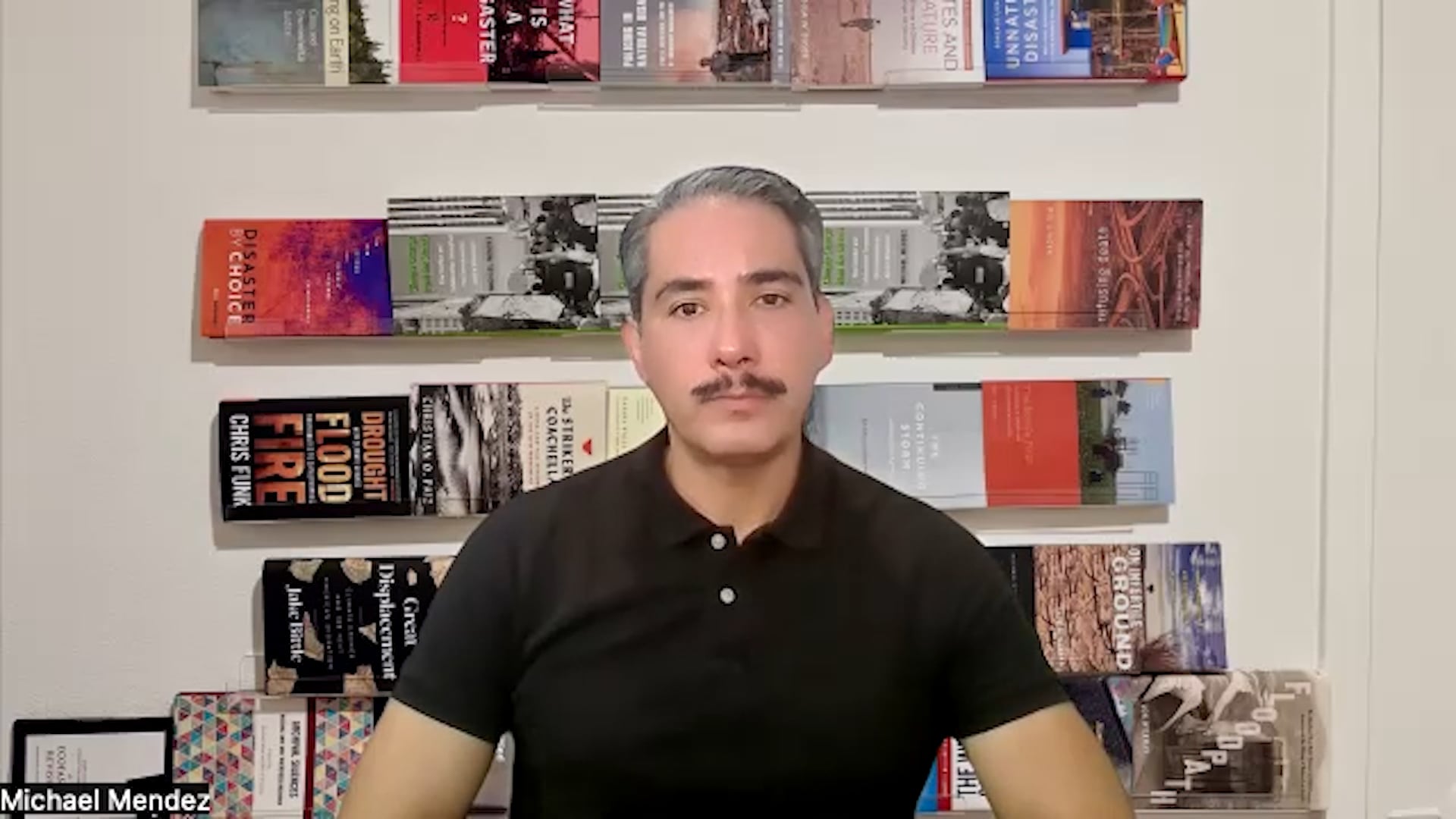
A warm, dry winter has led to near-record or record-low snowpack in much of the West. On April 2, 2026, SciLine interviewed Dr. Andrew Schwartz, an atmospheric scientist and the director of the University of California Berkeley Central Sierra Snow Laboratory.
TV bundle includes:
Soundbite (SOT)
VOSOT script (can be used as-is or modified)
Raw, full-length interview video & log with timecodes (upon request via form below)
These resources are free to use. No attribution to SciLine is required.
Click for VOSOT script (can be used as-is or modified)
ANCHOR AFTER A WARM WINTER… SNOWPACK IN MUCH OF THE WEST… IS THE LOWEST EVER RECORDED.
VO DOCTOR ANDREW SCHWARTZ STUDIES SNOWPACK… AS THE DIRECTOR OF THE CENTRAL SIERRA SNOW LAB AT UNIVERSITY OF CALIFORNIA BERKELEY. HE SAYS THAT LOW SNOWPACK CAUSES TWO TYPES OF ISSUES. NUMBER ONE… THERE ARE IMPACTS ON WATER SUPPLIES FOR PEOPLE… INCLUDING WATER FOR DRINKING… AND FOR AGRICULTURE. IN PLACES WITH LOW RESERVOIRS… LIKE THE COLORADO RIVER BASIN… THE LOW SNOWPACK… WILL MAKE THINGS WORSE FOR PEOPLE. BUT IN PLACES WITH FULL RESERVOIRS… LIKE CALIFORNIA… THE LOW SNOWPACK… WILL NOT BE A CRISIS FOR HUMAN USES OF WATER. BUT THE SECOND TYPE OF IMPACT… WILL BE A PROBLEM… EVERYWHERE IN THE WEST.
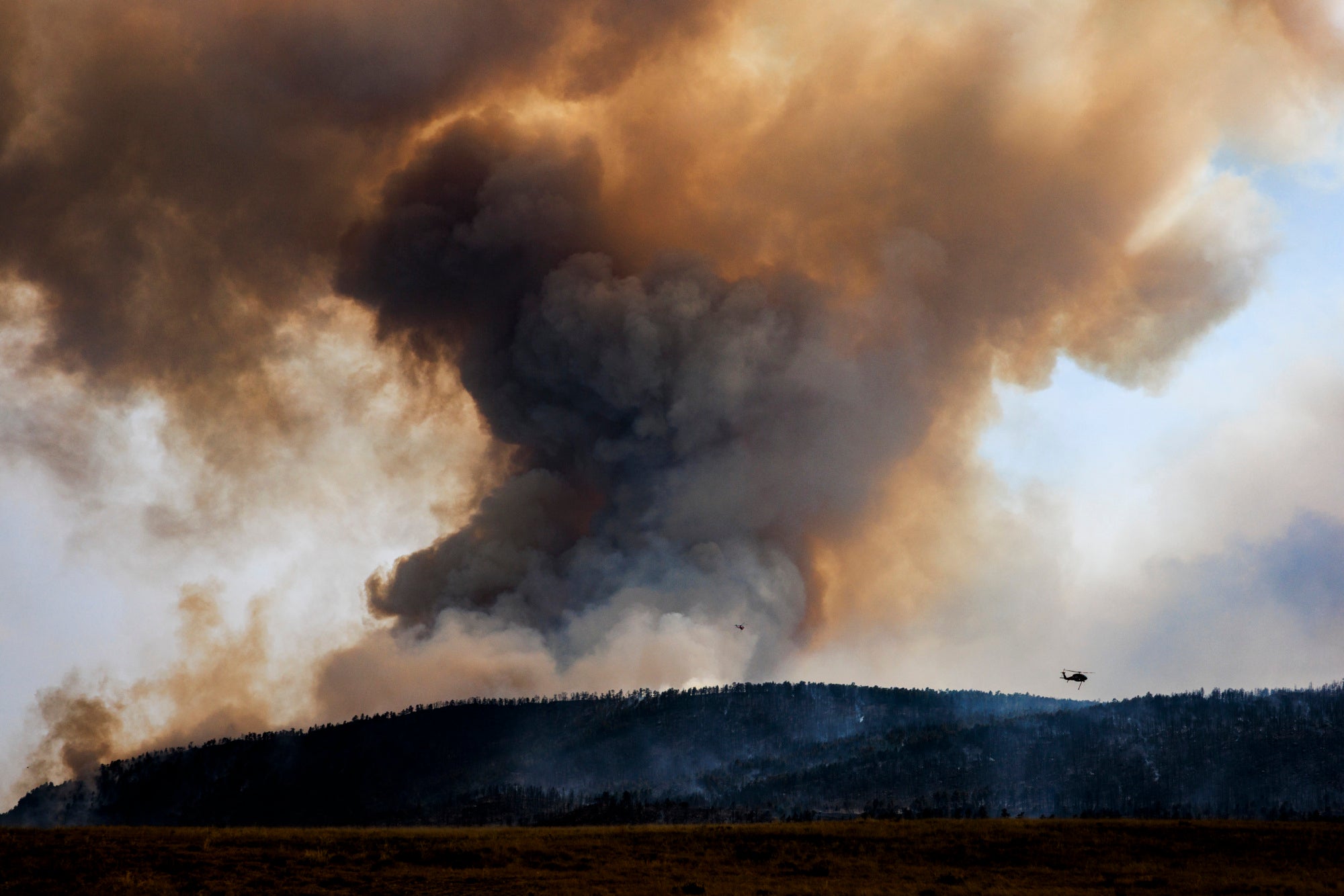
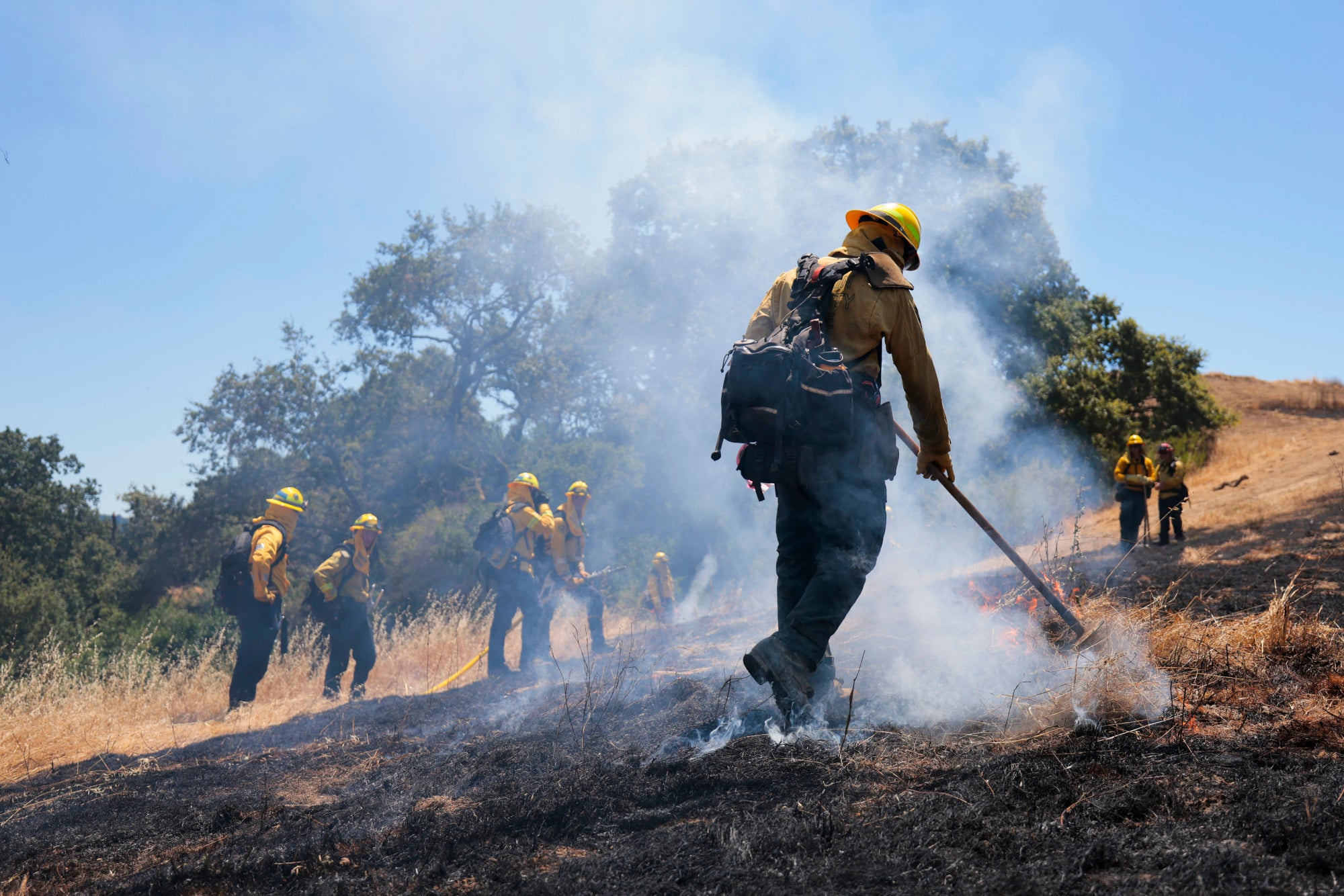
SOT Duration: 0:29 Super: Dr. Andrew Schwartz, Director of Central Sierra Snow Lab, University of California – Berkeley “The second place that we talk about impacts is in the ecosystem, right? So we talk vegetation, particularly our forests, and with snowpack really not existing for much of the year or existing for about half the time that we would have expected it this winter, we’re going to see a lot of early drying out of our fuels that could potentially lead to big wildfires, and that’s a concern that we have going into late spring and early summer. “
VO DOCTOR SCHWARTZ SAYS… ANTICIPATE A SMOKY SUMMER… ALL ACROSS THE WEST. HE ALSO SAYS… THIS YEAR WILL TEST HOW PREPARED WE AREFOR A NEW NORMAL…AS CLIMATE CHANGE LEADS TO MORE LOW SNOWPACK WINTERS.
Raw, full-length interview covers:
How low this winter’s snowpack is, compared to typical years;
The role of climate change in the winter conditions that led to the low snowpack;
The effect of the low snowpack on wildfire risk this summer;
Other effects of low snowpack, such as on drinking water, agriculture, tourism and recreation, wildlife, hydroelectric power generation, and more; and
What, if anything, can be done to prepare for or mitigate these effects.