Expert on Camera:
Invasive species can devastate ecosystems without natural enemies to keep them in check, but some researchers are investigating whether human beings can fill that void. Feral hog hunts and fishing tournaments for lionfish and carp encourage individuals to remove and consume local invasives.
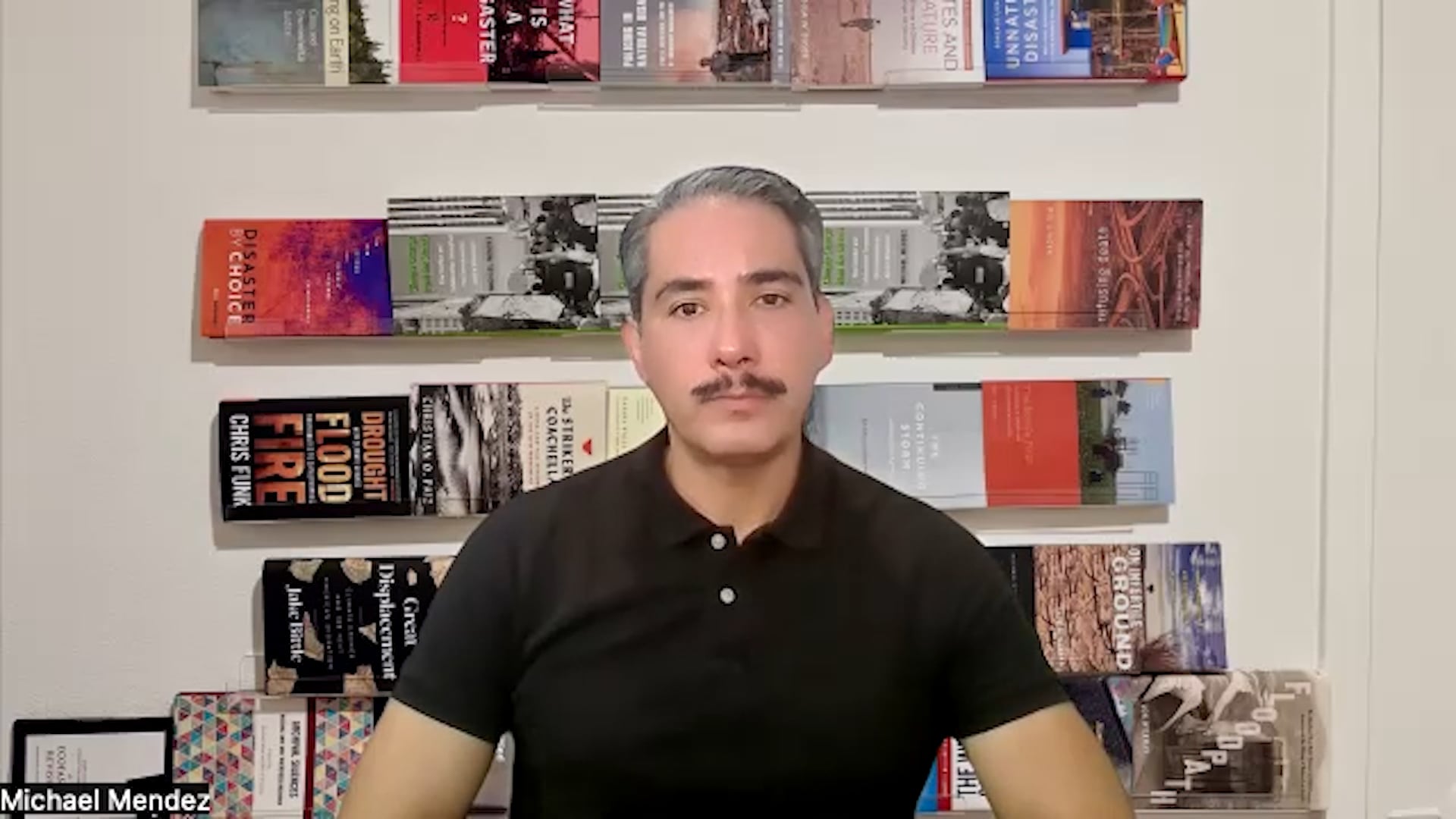
On Thursday, March 7, 2024, SciLine interviewed: Dr. Joe Roman, a fellow and writer-in-residence at the Gund Institute for Environment at the University of Vermont. See the footage and transcript from the interview below, or select ‘Contents’ on the left to skip to specific questions.
Introduction
[00:00:19]
JOE ROMAN: I’m Joe Roman, a conservation biologist at the University of Vermont. I study endangered species, invasive species, and marine ecology. And I also run the website, Eat the Invaders.
What does it mean for a species to be invasive?
[00:00:40]
JOE ROMAN: When we’re looking at, let’s say a local ecosystem, most of the species tend to be native. But sometimes species are introduced either intentionally or unintentionally to a new environment. That would be a non-native species, right. And there are many of them, some that survive in the wild and some that don’t. What makes a species invasive is that it has a strong ecological impact and often an economic impact. So, one of the biggest causes of extinction on the planet is invasive species. They can either eat or outcompete native species. They also can have very large economic impacts. One estimate in the science of the environment says that about $20 billion a year in damages by invasive species occurs in the United States.
[00:01:38]
JOE ROMAN: This is a term that was only coined maybe a decade ago. And the idea is, now that we know what invasive species are, how can we control them? And often eradication uses pesticides, or herbicides, or widespread culling, and invasivorism puts together two human processes. One is, of course, we have a need to consume. So, focusing our appetite on these invasive species—that can be anything from fish to wild animals to plants. And it arose really only at about 10 years ago, around the same time that the idea of the locavoreism—that term was coined around the same time. So, this idea of eating locally—but in the case of eating invasives, possibly having a positive ecological impact.
What can you tell us about efforts to encourage harvesting invasive species?
[00:02:40]
JOE ROMAN: I did my PhD on an invasive European green crab. And I was flipping rocks in the intertidal in Nova Scotia. And I noticed that there was someone else who’s doing it at the same time, he was actually out there harvesting periwinkles—which is an invasive snail—that he was selling on the marketplace. And often as a conservation biologist, I’m working to convince people to reduce their appetites, but it occurred to me the more European periwinkles he collected, the better. So, there’s been this focus on what types of invasive species could we have a positive impact, and by positive impact, I think we actually reduce the numbers. So, some of the focus has been on seafood—especially on green crabs, periwinkles, lionfish, a bunch of species in the oceans, also freshwater species like carp that have been introduced from Asia—as well as just going out in your backyard and collecting something like garlic mustard. So, there’s a wide range of species that we can harvest. A lot of them are appreciated in their native areas, so they’re actually quite tasty. And if we take them out, we could be having a benefit on our local ecosystems.
What can you tell us about eating invasive species?
[00:04:03]
JOE ROMAN: As a conservation biologist, I can tell you it’s a good idea to go out and eat these crabs and these fish and these plants. But I’m not a chef. So, you might be like, yeah, that kind of sounds like penance. That sounds like a lot of work. What we do is encourage chefs here in New England and around the country and really even around the world to prepare these so people get an idea of just how delicious they can be. And I have to say, getting fresh caught green crabs, when they’re soft shells are easily as good as blue crabs. No offense to folks in the Chesapeake. Same can be said about lionfish. It’s a firm white meat. But in that case, it was made by a chef, a friend of mine, and he put it on the menu and that got people thinking about how we could incorporate these into our cuisine. So, it’s more again than just going out and harvesting but learning how we can actually have a delicious meal.
What does research tell us about the impact of invasivorism?
[00:05:08]
JOE ROMAN: I published the first article about this in 2004 in Audubon magazine, and I spoke about how humans had reduced bison populations or passenger pigeon populations—a lot of species that we’ve caused either the extinction or near extinction of the of native species. But at that time, they didn’t have any good examples, you know, the idea was still very new. Since then, in the past 10 years, there have been some great studies on lionfish in the Bahamas—and in Bonaire, in particular—by scientists there, looking at, no surprise, really, because we see this in fisheries all the time. But when we have focused efforts on harvesting lionfish in these two islands, systems, populations went down. They compared it to areas where they were fished and weren’t fished. And even more exciting, the native fish biomass in the Bahamas increased as those populations started to decline. To be clear, it’s unlikely that this type of harvest is going to result in the complete eradication of a species; we’re just not going to be able to work that hard. There’s always going to be one last animal out there. So this is something we call functional eradication: the idea of if you bring the numbers down, then the ecosystem can rebound. So, that’s really the focus in a lot of these areas is trying to eradicate the species, or at least limit the numbers in particular areas where they’re having impact.
How does invasivorism fit in with other strategies to limit the introduction and impact of invasive species?
[00:06:43]
JOE ROMAN: The key here is that eating invasives is fun, it’s delicious, it might have an impact, but it’s the last line in the sand. What we really want to do is stop the introduction of new species because this is not you know, this would just be endless. And we’re not going to get anywhere if a new species comes in every year. So the key is to stop them at the gate with good policy that prevents new invasive species from coming in. And then to monitor and have rapid response to these species. And then, in the end, you know, when they’re here and they’ve been here for a while we can enjoy a good meal.