Expert on Camera
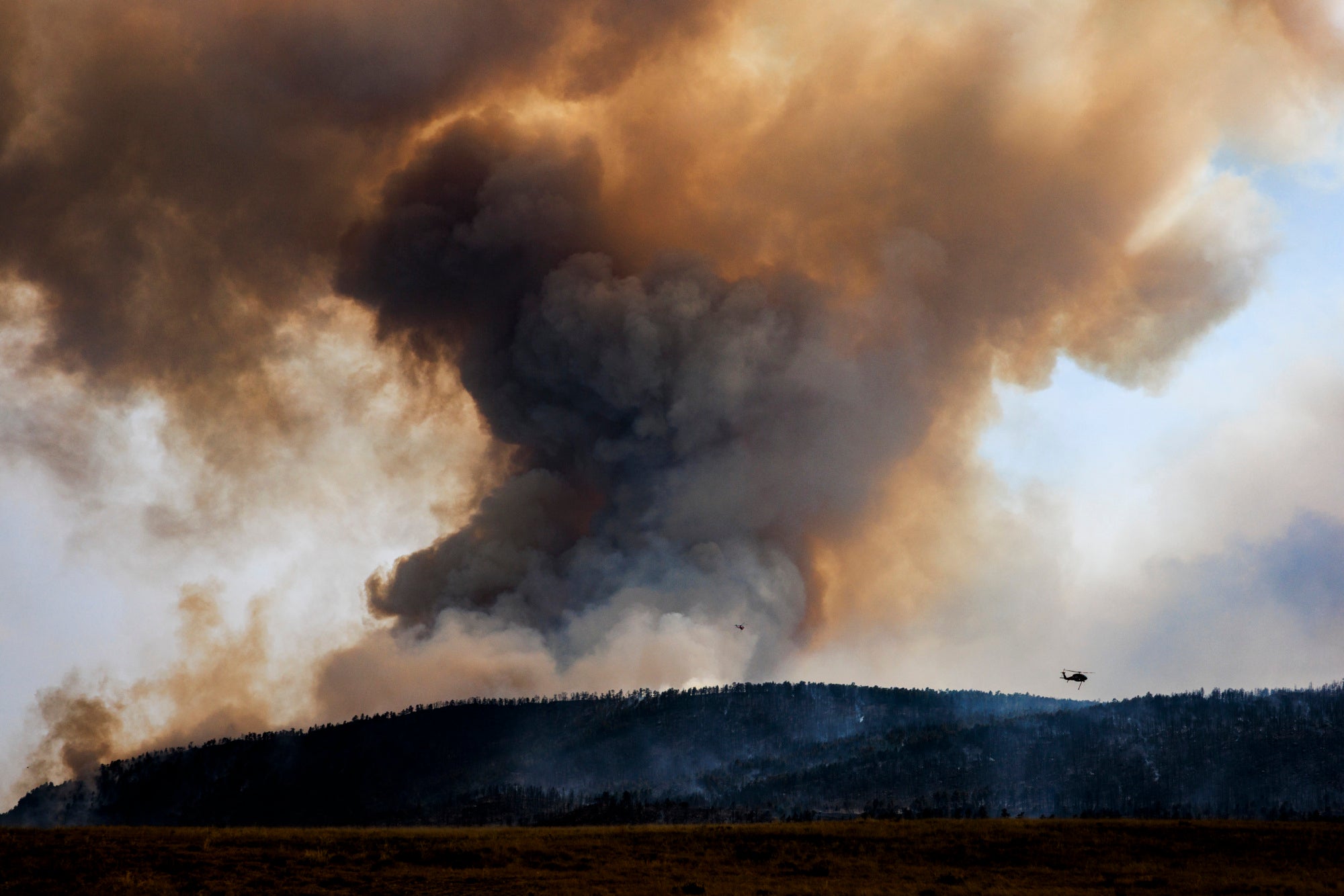
The relationships between snowfall and wildfires are complex. Decreases in winter snowpack (fueled by climate change) can increase the prevalence of wildfires—and wildfire-related changes in the landscape can, in turn, alter the next season’s snow melt timing and water availability.
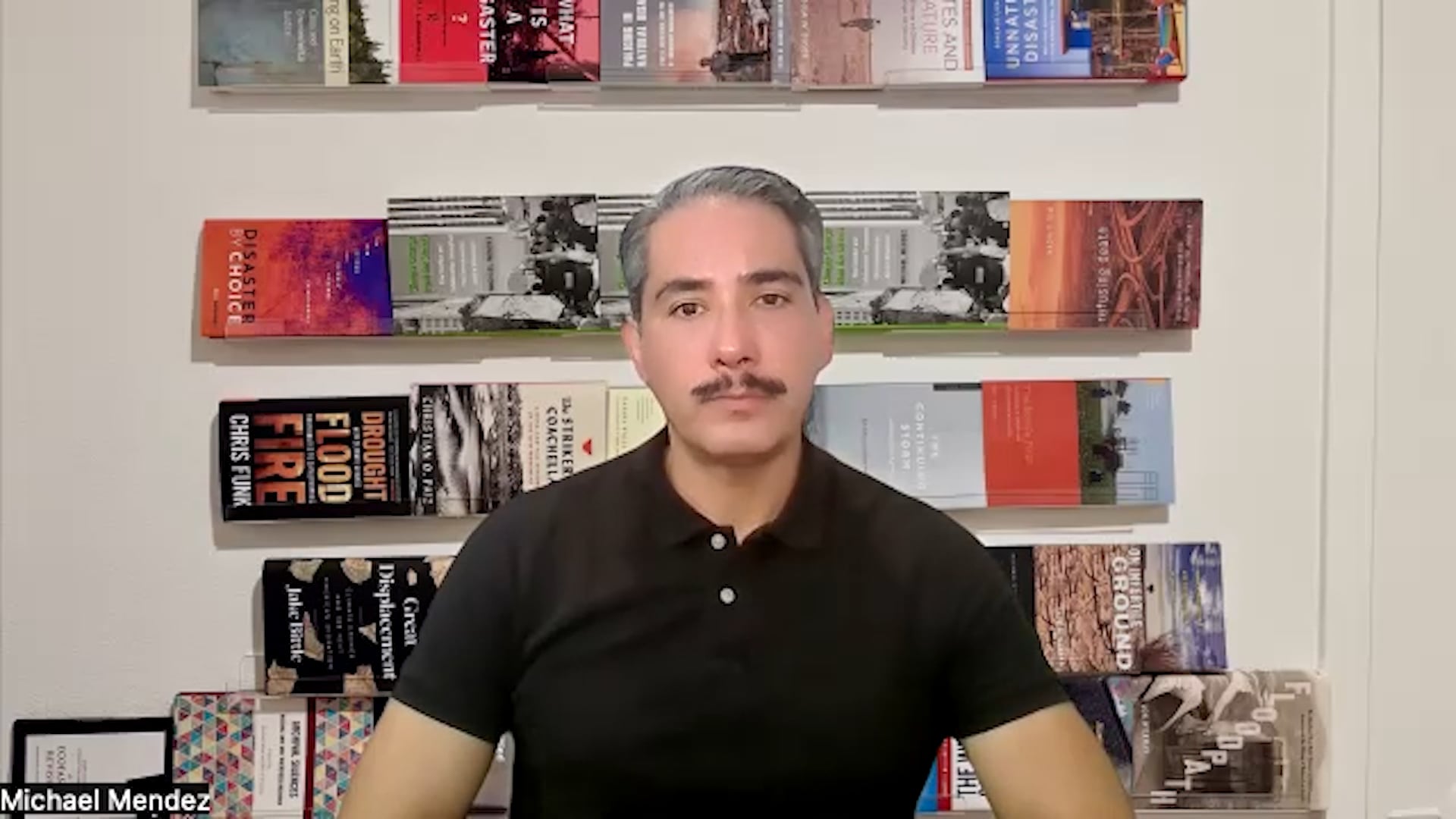
On February 28, 2024, SciLine interviewed: Dr. Anne Nolin, a professor of geography at the University of Nevada, Reno. See the footage and transcript from the interview below, or select ‘Contents’ on the left to skip to specific questions.
Introduction
[0:00:19]
ANNE NOLIN: My name is Anne Nolin. I’m a professor in the Department of Geography at the University of Nevada, Reno, and my students and I study snow and glaciers in our changing climate system and how they melt and become water supply for people and ecosystems. And most recently, we’ve been looking at relationships between snow and wildfire and forests.
Interview with SciLine
What can you tell us about recent trends in U.S. snowpack?
[0:00:49]
ANNE NOLIN: We see a number of trends across the western United States. So, I’m going to focus mainly on those because that’s where we work. There are over 1,000 stations that have been measuring snowpack since the late ’70s, early ’80s. And across all of these stations, we see a consistent decline—over 93% of them are showing less snow. And on average, it’s about 23% less snow since about the mid ’50s. And, there are fewer days of snow cover, and the date of snow disappearance is about 18 days earlier on average.
How is climate change affecting snowpack?
[0:01:24]
ANNE NOLIN: From the research that my students and I have been doing, we see that Novembers have been getting drier—and this is since the mid ’80s. We see that overall, the winter storms have been getting warmer, and warmer storms mean less snowfall and more rainfall—so, a switch from snowfall to rainfall. And we also see, in places like the Sierra Nevada, that there are more of these midwinter dry spells that last for multiple weeks. And so you might expect to have more midwinter melt events. And we do see that. And we also see again that snowpacks are melting earlier across the western United States. But across the entire Northern Hemisphere as a whole.
What can you tell us about the relationship between a winter’s snowfall and the subsequent wildfire season?
[0:02:25]
ANNE NOLIN: Last winter was a really big snow year. And we do see a really strong connection between snow—the amount of snow and the snow disappearance date in the spring when it’s all gone—and the length of the fire season and just sort of how dry everything is in the summer. So, if we have declining snowpacks we see a longer dry season and a longer fire season. But then we have years like last year where we had a lot of snow and a lot of spring rains. And we had a really low fire year. So, there’s a really tight correlation between winter snowpack and summer fire season.
How are snowpack trends affecting the skiing industry?
[0:03:08]
ANNE NOLIN: It’s not just skiing—any kind of winter snow sports, whether it’s snowmobiling or snowshoeing, skiing, snowboarding—that is actually about a more than $20 billion a year input to the U.S. economy. This is based on a 2018 report from the nonprofit Protect Our Winters. And what we see is that every bad year, every low snow year, is about a billion dollar hit to the U.S. economy. So, it really decreases the number of days of winter snow sports and all the things that go along with that, like eating at restaurants or at the ski areas or hotel reservations and things like that. So, it’s a pretty expansive hit to the economy. It also decreases the number of jobs each year by about over 17,000 jobs for a low snow year compared to an average snow year.
How does a year’s winter snowpack influence spring runoff and wildfire conditions?
[0:04:13]
ANNE NOLIN: Winter snow accumulates and acts like a reservoir. And by the time spring rolls around, it’s melting and contributing to stream flow. And it’s a critical source of soil moisture for our mountain forests. And so when we have a low snow year, it melts off earlier, there’s less contributions to streamflow, soils are drier, we have a longer dry season, and forest by the end of the summer are experiencing more moisture stress than they would normally during an average snow year. And this is especially the case for places like the Sierra Nevada where we have warm to hot summers and very dry summers.
What can you tell us about the cumulative effects of multiyear droughts on the risk of wildfires?
[0:05:00]
ANNE NOLIN: What we see is that moisture stress tends to accumulate in trees, and dry fuels, dry forests, are a critical part of the recipe for wildfires. And so drier forests will be more vulnerable to fires. And so multi-year, droughts are definitely creating more dead trees, more dead and downed wood on the forest floor, and that is definitely a contributor to fires and hotter and more intense fires.
How can wildfires affect the rate of snow melt in subsequent springs?
[0:05:42]
ANNE NOLIN: In a couple of ways. One is if we have a summer wildfire that has burned up in elevation to a higher part of the watershed—up into the seasonal snow zone—what we find is that the following winter, and winters after that, there is sort of soot or charred or burned woody debris, like carbon shedding, from those standing burned trees onto that snowpack surface. So, it changes the snowpack from a bright, highly reflecting surface to a darker kind of sootier surface. And because the forest canopy has been burned off, now we have all this extra solar energy coming in—we don’t have a forest to shade that snowpack anymore. And so that snowpack has been kind of pre-conditioned to absorb that extra solar radiation coming in. And the snow melts off a lot earlier—days two weeks earlier.
After a wildfire, how do the snow conditions in a particular area change?
[0:06:48]
ANNE NOLIN: My colleague Dr. Kelly Gleason at Portland State University has really led the way in this aspect of the research, and she and her students have shown that this post-fire early melt that’s due to carbon shedding on the snowpack surface and loss of of forest canopy lasts for ten, fifteen, and even longer number of years. As long as there is burned woody debris, black carbon, and shedding on the snowpack, it will continue.