Expert on Camera
Young athletes are becoming specialists, joining expensive clubs, and devoting themselves to a single sport all year.
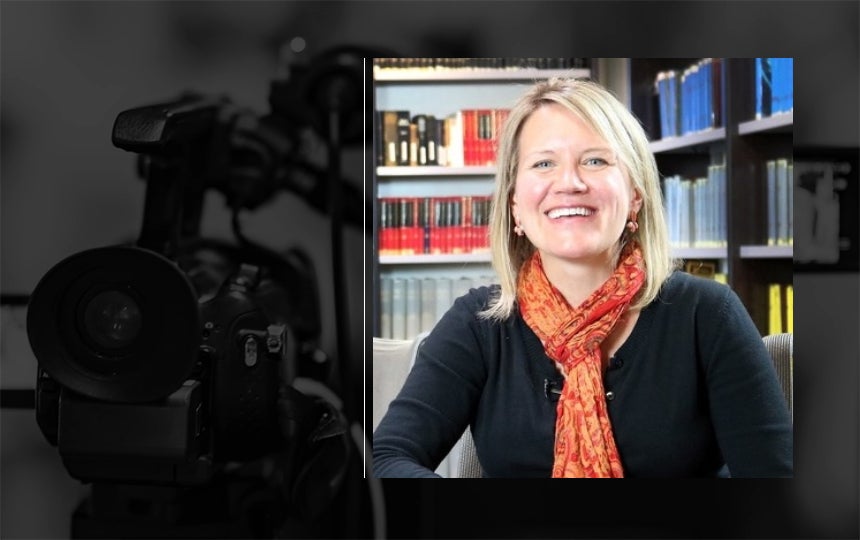
On February 22, 2024, SciLine interviewed: Dr. Nirav Pandya, a professor of pediatric orthopedics and sports medicine at the University of California, San Francisco. See the footage and transcript from the interview below, or select ‘Contents’ on the left to skip to specific questions.
Introduction
[00:00:19]
NIRAV PANDYA: My name is Dr. Nirav Pandya. I’m a professor of orthopedic surgery at UCSF. I’m a specialist in pediatric and adolescent sports medicine. And really what I study is looking at, number one, how we can treat injuries that kids get from this current sports culture of sports specialization. But, more importantly, how we prevent those injuries from occurring in the first place.
Interview with SciLine
What trends can you describe, regarding kids’ participation in sports?
[00:00:47]
NIRAV PANDYA: We’re seeing a tremendous amount of kids now who are participating in sports outside of the school setting—almost six times more kids will actually play sports outside of school as opposed to in school. And as a result of that, kids are specializing in sports at a younger and younger age—we’re seeing 6, 7, 8, 9 year-olds are playing one sport year-round at the exclusion of other sports. As a result, we’re seeing increased injuries and burnout from sports.
What do we know about differing outcomes for youths who specialize, versus those who participate in a variety of sports and activities?
[00:01:18]
NIRAV PANDYA: We know that when kids are specializing in sports, they’re going to have an increased risk of injury—a several-fold increased risk. And some studies say that if kids are playing more hours per week than their age, they have 70% increased risk of injury compared to those who play multiple sports. We also see 70% of kids will actually drop out of sports if they’re specializing by age 13. So that’s another thing—kids just aren’t staying in sports because of the fact that they’re playing one sport year-round. And we look from a long-term standpoint, kids actually aren’t as good at their sports if they’re specializing in one sport at a young age. So once again, we’re really hurting kids from multiple different levels, if they’re specializing.
What can you tell us about the relationship between sports specialization and injuries in kids?
[00:02:02]
NIRAV PANDYA: I think we see injuries from kind of two different facets with kids who are specializing number one, we’re seeing a tremendous amount of increase in traumatic injuries. So, ACL tears used to be something we’ve seen in 17, 18, 19 year-olds—we’re now seeing 10, 11, and 12 year-olds get ACL injuries. And the rate of ACL injuries has actually gone up 12% over the last decade in this adolescent age group, which is a tremendous increase. In addition, we’re seeing these overuse injuries where kids are getting knee pain, shoulder pain, etc. from doing too much of the same activity again and again and again. So, not only are we injuring kids, and they’re ending up with surgery at a young age, but also they’re missing time because they’re just playing too many sports, they’re having knee pain, they’re having shoulder pain, and they simply just can’t participate and be healthy and active with their friends.
How does the cost of specialized clubs compare to that of other youth sports leagues?
[00:02:52]
NIRAV PANDYA: One of the things that the Aspen Institute has shown is that families will spend,on average, about $1,000 per year for these travel or private club sports. So, that’s a big financial burden for a lot of families. In addition, the reason why a lot of families are doing this is because they want their kids to potentially get a college scholarship. Colleges are very expensive right now, and potentially, if they’re specialized in sport, playing on these club teams, they can get to that level. What families don’t understand is that the average four-year college scholarship amount is only $11,000. And of all the kids are playing sports, only 2% of them are actually going to get a college scholarship. So, you can imagine a couple of years of playing club sports, travel baseball, etc. The amount of money that these families are going to spend is going to be far exceeding any kind of amount they’re going to get for a scholarship—even if they are that lucky 2% of high school athletes that go on to get one.
As expensive clubs become the norm, what are the implications for children who are priced out of participating?
[00:03:46]
NIRAV PANDYA: This definitely does exclude a lot of kids from playing. And if you look at who’s participating in youth sports in general, we see the families that are making a significant amount of money are able to have their kids have access to these clubs, to these travel teams. But if you’re making less money, your family is a little bit more disadvantaged. It is very hard to find healthy and affordable ways for kids to actually play. So as a result, what’s happening is you have one group of kids who have access to sports because their families have the money and they’re getting injured—they’re getting the overuse injuries. And then you have another group of kids whose families don’t have the money to participate, and therefore then there isn’t really an outlet for them to be physically active because school funding is going down. Recreational programs don’t exist. So then they get the problems of diabetes, obesity, you know, hypertension—all those problems—into adulthood. So, we’re creating one group of kids who are getting injured because they’re participating and another group of kids who can’t be physically active because there aren’t avenues out there for them to be healthy and active.
What can be done to create organized opportunities for kids to get active, without requiring them to specialize?
[00:04:48]
NIRAV PANDYA: Number one, I think there needs to be more funding for these recreational and school-based programs, and where I think where you can have the biggest impact is at the elementary and middle school level. I think that’s where a lot of kids begin that process of starting to specialize. So, if there are more options for these kids to be able to participate and try multiple different sports and not feel the pressure to play in a club year-round or play travel baseball or play travel soccer, that’s where really I think the biggest impact can be made. So, we need to—as a community—fund middle school programs, fund elementary school programs, really support recreational-based programs so kids can be healthy and active for their entire life.
What can parents do to ensure their kids have a healthy relationship with sports?
[00:05:30]
NIRAV PANDYA: It’s important for parents to understand the data. So, that’s our role as clinicians—you know, as physical therapists, athletic trainers, coaches—is to understand what the data is and give that to parents. I think the second thing is also to not feel the pressure that you have to basically enter this youth sports complex—this $15.3 billion industry—where you just need to kind of jump in and kind of feel like that’s the only path you can take. There are other paths out there, you know, whether kids are playing multiple sports or doing things like swimming in the offseason, where you don’t feel the need that you have to be doing the same thing year-round. The only thing that we need to do is also just fund these opportunities recreationally. So, if you’re thinking about donating, donate to your community organization, that basically is funding recreational sports or trying to push for your school to have those opportunities for your kids. And finally, it’s important for parents if they are going to be playing travel sports or year-round sports. Look at the websites of the club. Are they basically promoting kids to be healthy and active in a safe environment, or are they promoting you getting a scholarship or getting to the next level? It’s important to place our kids in healthy environments where they’re not going to be injured and are going to want to participate throughout their life as opposed to dropping out, as I mentioned before, by age 13.
Why do you feel a sense of urgency to change the culture of youth sports?
[00:06:43]
NIRAV PANDYA: We are getting better in terms of changing the culture. More people are understanding it. They understand the data. They’re talking about it more in their social groups. But now we’re at the next phase, which is where we need to make a change. What are the tangible things that we can do to change sports culture? We understand some of the problems that are there right now. But now it’s that next step over the next five to 10 years. We need to make this change now so that we’re not having a lot of kids who are now adults who are having negative health impacts because of what they experienced five to 10 years ago.