What are Reporting Resources?
By Kate B. Maxwell
Reporting on wildfires extends far beyond breaking news, and key points gleaned through decades of research can guide your reporting. Scientists have built tools to forecast wildfire vulnerability and risk, studied different approaches to managing wildfires, tracked outsize effects on specific groups, and documented long-term health effects. Access to this kind of evidence-based research and expertise offers a trove of new story ideas and can improve the accuracy, nuance, and impact of coverage.
Wildfires are escalating in scale and intensity, and they’re intersecting with increasingly populated areas. The rise in catastrophic wildfires in recent decades is driven by a combination of past fire suppression policies that increased burnable material, more people living in high-risk undeveloped areas known as the wildland-urban interface, and the impacts of climate change.
“The crisis is not that wildfires exist in the landscape. The problem is that they’re increasingly intersecting with populated areas,” said Daniel Swain, climate scientist at the University of California Agriculture and Natural Resources.
To mitigate future risks, communities in fire-prone areas are implementing research-based and locally led strategies to become more “fire adaptive” and to build resilience. They’re changing regulations for buildings and land use, improving emergency preparedness and response plans, and incorporating fire management methods such as prescribed burns.
For all kinds of stories related to wildfires, SciLine’s Expert Matching Service can connect reporters with relevant wildfire researchers in a variety of fields. Local universities, the U.S. Forest Service and Joint Fire Science Program, research centers such as the Natural Hazards Center, and local government public health organizations all employ researchers with deep expertise in wildfire topics.
When a wildfire occurs, risks and potential impacts are complex and vary widely, and data can inform your reporting. For any community, the risks and potential impacts are partially determined by location, ecology, climate, and topography, but the vulnerability of a specific community is also shaped by socioeconomic factors, including adequate emergency planning and response. Wildfire Risk to Communities, a project from the U.S. Forest Service, has a tool to find risks to homes and vulnerable populations in your area. The Resilience Analysis and Planning Tool from the Federal Emergency Management Agency shows county-level data on population, infrastructure and hazards for overall disaster preparedness.
Like with other disasters, people who have faced historic or institutional barriers to information and resources are more vulnerable to impacts from wildfires, explained Kimiko Barrett, Ph.D., a principal researcher at Alliance for Wildfire Resilience, which pursues policy changes to reduce harms from wildfires.
Social science research can illuminate these disparities: For individuals, factors such as age, mobility, race, income levels, language barriers, housing, banking, and insurance all contribute to wildfire risks and impacts.
Take housing status as an example: People living in congregate housing, mobile home communities, renters, incarcerated people, or homeless people will likely have less ability to mitigate risks around their residence, in contrast to insured homeowners. Or income level: Studies of wildfires in the U.S. West show that wealthier communities often have more resources for preparedness.
During a wildfire evacuation, the needs of vulnerable populations are often not accounted for in response plans, heightening risks and impacts. Non-English speakers may not receive accessible information about preparedness or evacuation warnings. Similarly, young people, the elderly, disabled people, and those lacking transportation are often at higher risk, since they may need additional assistance to evacuate, Barrett noted.
The recovery and rebuilding phase after a wildfire can also have disparate impacts. This process can take years and can perpetuate existing socioeconomic inequalities. Some groups experience greater challenges to recovery, such as eligibility restrictions for recovery funding, difficulty navigating complex regulations, or skyrocketing insurance costs.
A study after Colorado’s Marshall Fire showed that several years after the event, individuals including older adults, underinsured, and low-income individuals faced greater challenges with recovery.
Journalists could examine what types of support and obstacles exist for different local communities, as well as whether vulnerable communities are included in emergency planning and recovery efforts. Consider speaking to sociologists, historians, political scientists, economists, disaster researchers, or recovery experts.
Health impacts from wildfire smoke increase with exposure, and hazards from wildfire emissions can spread thousands of miles, affecting millions. Vulnerable individuals include those with respiratory or cardiac conditions, children, the elderly, and pregnant people, but there are no safe levels of exposure.
“It is particularly harmful to certain populations, but it is harmful to all populations,” said Colleen Hagerty, disaster journalist and emergency preparedness writer for Wirecutter.
Wildfire and smoke hazard data can be tracked using the National Oceanic and Atmospheric Administration’s system and the Environmental Protection Agency’s AirNow Fire and Smoke interactive map. Some local and state agencies, as well as private companies, issue air quality forecasts and warnings. The Air Quality Index (or AQI) measures fine particulates 2.5 microns or smaller (PM 2.5), which have well-documented health effects. Larger particles up to 10 microns also carry risks, but they tend to remain airborne for shorter times.
Wildfire smoke composition varies with the fire’s characteristics and fuel materials. Smoke from urban fires has more harmful contaminants than wildland fires. Wildfire smoke can carry hazardous particulates, toxic chemicals, and pollutants, and emissions have been estimated to be 10 times more harmful than air pollution from burning fossil fuels. Smoke exposure is linked to health effects including respiratory damage, risks of adverse birth outcomes, impacts to the immune system, and early death. Improved monitoring, masking, and air filtration can mitigate some potential health impacts.
Wildfires also affect health through more than just smoke. Fires can result in utility shut-offs, damage to infrastructure, and erosion. Water systems and soil are frequently contaminated with chemicals and heavy metals, which can elevate health risks for recovery workers and people returning after a fire. These events increase deaths associated with fires and present long-term challenges during recovery and rebuilding.
In particular, firefighters not only risk injury or death during a response, but also face elevated risks for other health problems including respiratory and cardiac issues, mental health impacts, exposure to harmful chemicals, and cancer.
Like other emergencies, wildfires cause significant psychological and emotional stress, leading to ongoing mental health issues and post-traumatic stress disorder associated with evacuation, loss of life, property damage, loss of work, and the ongoing challenges of rebuilding or relocation. Research from a study of California’s 2020 fire season found that exposure to wildfire smoke was associated with an increase in emergency mental health visits, in addition to impacts on residents’ physical health. Some state health departments offer advice and resources for these situations, including crisis counseling after a fire.
Reporting on health and wildfire could include examining changes in emergency room visits, access to and use of mental health services for evacuees, if emergency support is available for disabled communities, whether adequate health protections are in place during clean-up and rebuilding, and the prevalence of health issues related to wildfire among emergency services workers. Research has shown that health impacts from wildfires are anticipated to increase as wildfires’ frequency and intensity rise due to climate change.
When finding sources for stories about wildfires and health, reporters can turn to experts in public health, water and air quality researchers, emergency clinicians, and mental health service providers. More information is also available in SciLine’s interviews with experts on outdoor air quality and wildfire smoke and on wildfire smoke and children’s health.
Even before a wildfire ignites, there are stories to report about wildfire readiness and forecasting. Wildfire preparedness begins locally with community development and emergency planning, including evacuations and alerts. The agencies involved often have limited staffing and resources, particularly in rural areas.
The National Weather Service issues forecasts and alerts for weather that raises wildfire risk, which might include high temperatures, high winds, drought, low humidity, and dry lightning. The National Interagency Fire Center provides collected data on past and current fires nationally, and the NOAA Wildland Fire Data Portal tracks current fire activity.
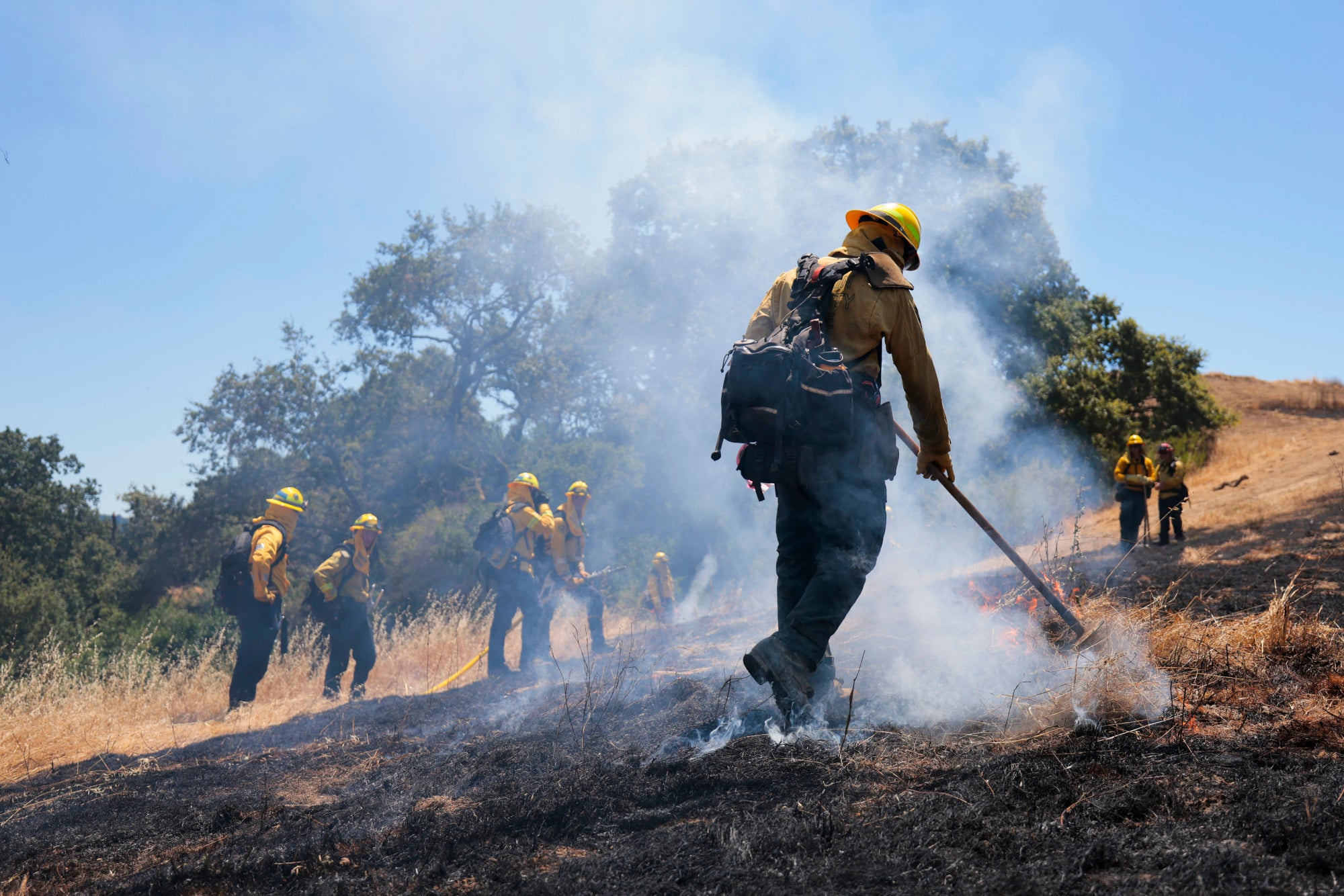
Most U.S. wildfire ignitions are caused by human activity. The jurisdiction in which a wildfire starts and how far it spreads determine what agencies lead firefighting efforts and provide information on the fire’s development. Local and state emergency managers typically coordinate emergency preparedness and response, while firefighting is managed by an incident command team and lead agency. Wildfires that begin on public lands are managed by federal agencies such as the U.S. Forest Service and the Department of the Interior’s newly formed U.S. Wildland Fire Service. Depending on the scale of a fire, other local, state, or federal agencies may assist in the response, including through mutual aid agreements.
Wildfire preparedness and firefighting capacity varies widely from place to place, and staffing can range from local volunteers to urban fire departments to state or federal agencies with wildland firefighting crews. Some jurisdictions, including California, use incarcerated people as wildland firefighters. Research has shown that as wildfire risk expands, response agencies face challenges finding adequate resources for preparedness and firefighting needs, while the cost of recovery is also growing.
Technological advances are changing wildfire response, including the use of satellite imaging, remote sensors, camera networks, and drones to improve the detection of new starts and to track fire growth. Some areas have also explored infrastructure and equipment upgrades such as undergrounding power lines.
Wildfire recovery is a long process involving local, state, and federal agencies via recovery resources and grants to individuals and communities, including funds from the Federal Emergency Management Agency. Recovery phases include damage assessment, clearing debris and landscape remediation, infrastructure repair, and rebuilding, which can take decades. Wildfires can also cause soil erosion, which can subsequently increase risks of landslides and flooding during recovery periods.
Reporting topics include whether officials plan to address wildfire risks, what staffing capacity and resources are available to respond to a fire, how emergency messaging and shelters were managed, and how funding was devoted to recovery efforts.
Researchers in emergency preparedness, management, and communication can provide insight into effective and ineffective strategies. They may be able to offer evidence-based perspective on local wildfire preparedness and response to complement information from local officials, firefighters, and relief organizations. Researchers who study emergency management answered questions about how to assess emergency plans and what makes emergency warning effective in this SciLine briefing.
Climate change, while variable by region and ecosystem, has had a clear impact on wildfires in recent decades and is key to reporting that puts a fire in context. Changes in climate—resulting in higher temperatures, drier atmospheric conditions, and more frequent drought—have increased fire risks, lengthening the fire season as well as creating the potential for fire weather in new regions, particularly across the western U.S. These climate-driven risks are compounded by past fire management strategies and more people living in the potential path of a fire, leading to greater overall impact.
When covering wildfires, reporters can look to research to learn whether a particular area or community is at greater risk for wildfires due to climate change, how climate change could contribute to the scale of a fire, and whether local emergency plans and responses take the potential impacts of climate change into account.
The most reliable indicators of how climate change is impacting wildfire behavior are hotter fires, faster rates of spread, increased intensity, and larger areas burned rather than the overall frequency of fires, Swain emphasized, although intensity data is limited to the last several decades.
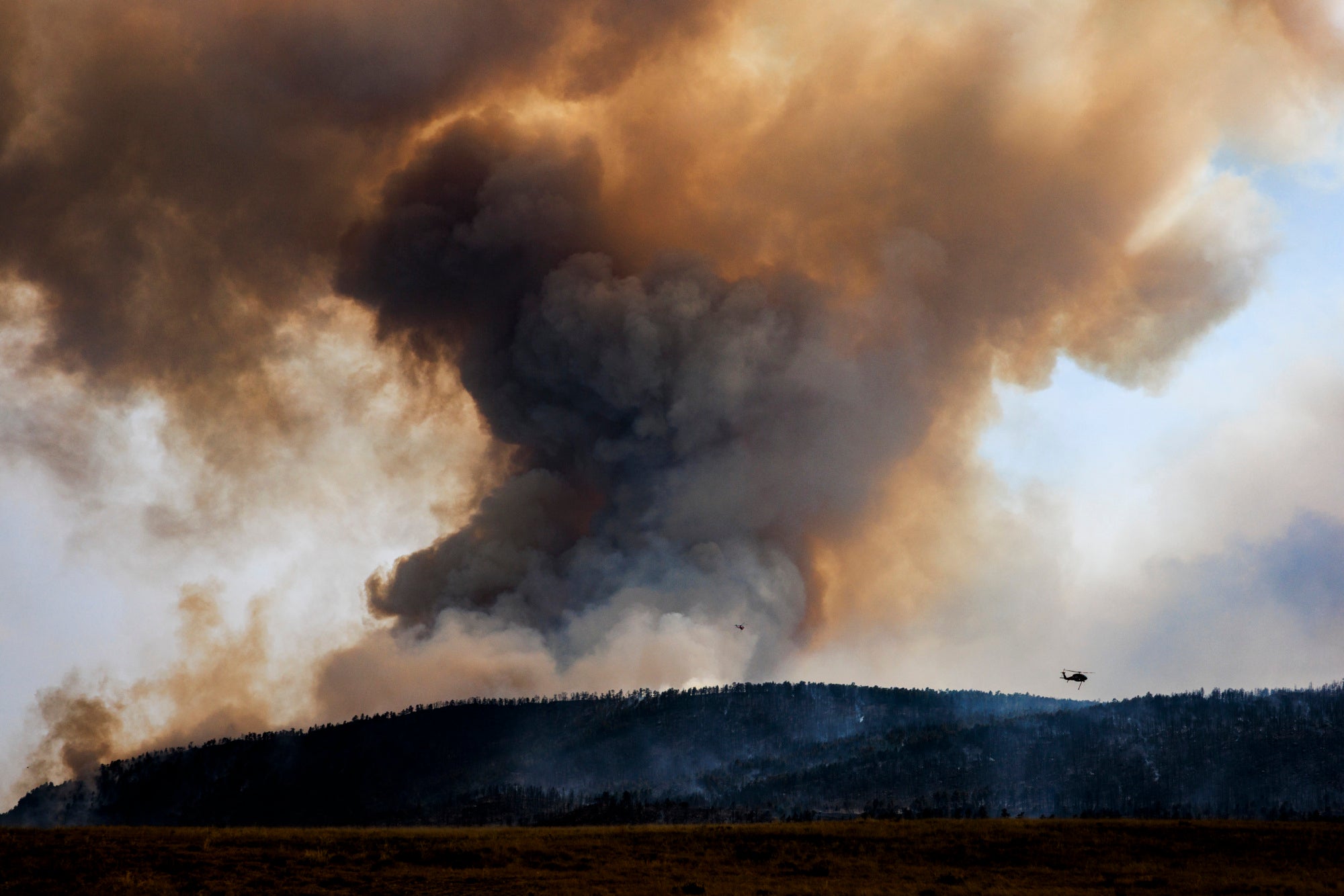
Climate change has worsened drought conditions, increasing potential fire risks. In drier areas with more flammable material, the risk of fires igniting can be higher, but more importantly, they burn more intensely, Swain said. “The hotter the fire, the more likely it is that it moves quickly, that it consumes the vegetation completely, and then it produces its own wind and thunderstorm conditions,” including the fire cloud phenomenon known as pyrocumulus. The scale, rate of growth, and intensity of a fire can all hinder response efforts.
The intensity, severity, and rate of growth of wildland fires can also increase with high levels of flammable material from past fire suppression strategies, and they can become catastrophic when reaching communities. Once buildings ignite, these structures can become a primary source of fuel, increasing toxic smoke and further driving fire spread: “That propagates the spread of fuel to fuel or structure to structure, burning through a community,” which could grow into an “urban conflagration,” Barrett said. That can result in additional spot fires over miles.
“In a warming climate, we’re seeing increases in fire severity and losses” in areas where there are frequent fires, Swain said, “but we’re also seeing the emergence of fires in new places where they were less common.” Because wildfires are increasingly occurring at times of the year or in places previously considered less at risk, historical data or wildfire frequency is not sufficient to understand the current wildfire risks and potential impacts. These communities are often less prepared for wildfire risk and have less emergency response capacity and therefore face higher chances of impacts and damages if a fire occurs.
Wildfire reporting can examine how climate change has increased risks in particular areas. Researchers can explain the increased likelihood of fire weather and how factors such as drought interact with historic fire suppression and community development. Reporters can also include how climate change contributed to the scale, growth, and impact of fires: For example, research suggests that from March 2024 to February 2025, the burned area in Southern California was 25 times larger due to climate change.
Research has also shown that wildfires are significant sources of carbon emissions, and these have been growing with climate change.
Potential scientist sources on climate angles include climate scientists, ecologists, and forestry researchers. Cooperative extension experts are often involved in vegetation management and wildfire recovery efforts and can offer specifics on how wildfire impacts the local environment. SciLine hosted a briefing covering the role of climate change in wildfire activity, interviewed a researcher on winter drought and wildfires, and published a factsheet on how climate change has contributed to wildfires.
The fire ecology and fire management history of a particular area and ecosystem are key to understanding the “fire story” of a specific place, said Lenya Quinn-Davidson, fire advisor and the director of UCANR’s Fire Network. Different ecologies and communities have evolved different relationships with fire. “Fire is a natural process—when an area burns, the area is not destroyed,” and it often has ecological benefits, she explained.
Fire suppression over the last century in the U.S. increased buildup of combustible materials called fuel loads, leading to more intense wildfires made larger by temperature and wind extremes, instead of a natural “patchwork of low to moderate fires,” Quinn-Davidson said.
More people living in high-risk areas over recent decades “is a problem not only because it’s harder to protect those homes…but also because it makes it harder for us to do preventative treatments like prescribed fire,” she said.
More recently, fire management practices include increasing prescribed burns and methods called “fuel treatments,” like vegetation thinning to reduce burnable materials. Some are initiated by property owners, while others are community-led efforts organized by prescribed burn associations, and incorporate Indigenous burning practices.
Local governments and regulations in high-risk areas increasingly require “defensible space” around homes, incentivize “home hardening” methods to mitigate damage to structures, and support community-led prevention strategies like preventive burns on private lands to reduce future risks. This can include “regulations such as building codes, ordinances, subdivision regulations, and other mitigation measures that are built into the development process,” Barrett said.
To mitigate risks, fire management strategies and landscape treatments must be paired with policy changes such as building codes and better evacuation plans, Quinn-Davidson said: “All of those pieces that have to fit together for a community to really, truly be resilient,” she said.
The Cooperative Extension system in many parts of the country conducts local fire research to identify locally effective strategies for wildfire mitigation and recovery, and their experts can often give context specific to their focus area. Researchers who study land stewardship practices can add to information from tribal governments and agricultural associations.
Kate B. Maxwell is a journalist, educator, and founder of the News Go Bag Project, which provides tools and resources for local journalists and news outlets covering disasters and emergencies, with support from a Reynolds Journalism Institute Innovation Fellowship.