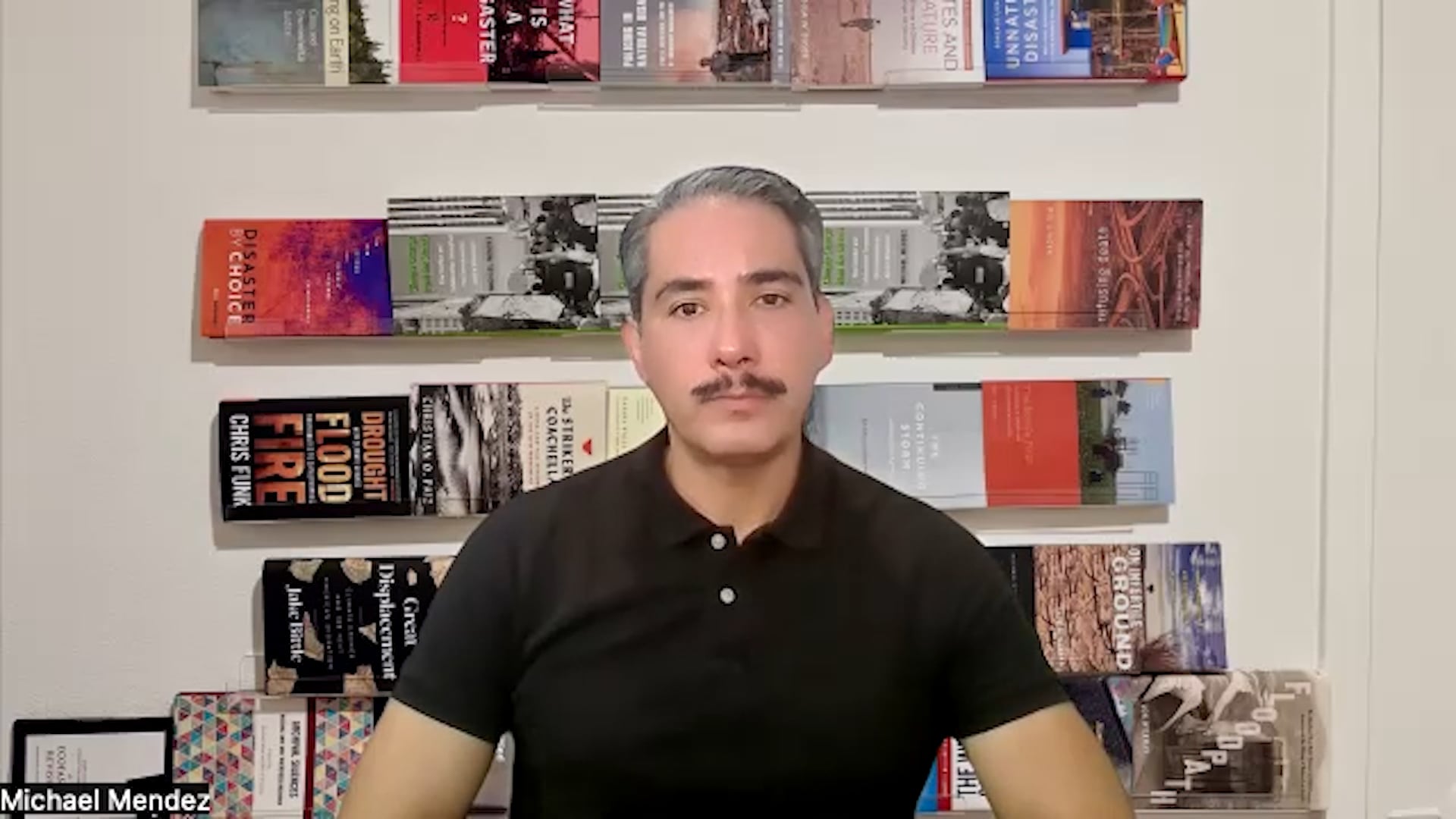
Nor’easters are powerful winter storms along the East Coast, known for their heavy snow, rain, and strong winds. On January 6, 2026, SciLine interviewed Mathew Barlow, a professor of climate science at the University of Massachusetts Lowell.
Declared interests: Dr. Barlow serves as a paid expert witness for the Conservation Law Foundation for climate-related legal work, and as a volunteer member of Massachusetts Climate Science Advisory Panel. He previously served as a lead author for the IPCC Sixth Assessment report.
TV bundle includes:
Soundbite (SOT)
VOSOT script (can be used as-is or modified)
Raw, full-length interview video & log with timecodes (upon request via form below)
These resources are free to use. No attribution to SciLine is required.
Click for VOSOT script (can be used as-is or modified)
ANCHOR
NOR’EASTERS ARE POWERFUL STORMS ALONG THE EAST COAST… KNOWN FOR HEAVY SNOW AND RAIN… STRONG WINDS… AND FLOODING.
BUT A CHANGING CLIMATE IS MAKING SOME OF THESE STORMS EVEN MORE SEVERE.
VO
DOCTOR MATHEW BARLOW… A PROFESSOR OF CLIMATE SCIENCE AT THE UNIVERSITY OF MASSACHUSETTS LOWELL… SAYS CLIMATE CHANGE IS AFFECTING NOR’EASTERS IN SEVERAL WAYS… BRINGING MORE INTENSE RAIN AND SNOW… AND MORE COASTAL FLOODING AS SEA LEVELS RISE.
HE ALSO SAYS FEDERAL FUNDING AND RESEARCH ARE CRITICAL.
THEY HELP SCIENTISTS UNDERSTAND AND MONITOR OUR CLIMATE AND WEATHER…. AND HELP GET INFORMATION TO THE PUBLIC QUICKLY DURING BIG STORMS.
SOT Duration: 0:39 Super: Dr. Mathew Barlow – Professor, University of Massachusetts Lowell
“So many of the billion dollar weather disasters in the US, especially on the East Coast, have been associated with these nor’easters. So they cause widespread infrastructure damage, loss of life, loss of livelihood, transportation issues, health issues. So these are really high impact storms. The better we can predict them, the further in advance we can project them, the better people, communities, local government, companies, industry can be prepared and mitigate the damage from them. So these are really critical events.”
VO EVEN THOUGH WINTERS ARE WARMER OVERALL… DOCTOR BARLOW SAYS INDIVIDUAL STORMS CAN STILL BE QUITE SEVERE.
HE SAYS COMMUNITIES SHOULD KEEP AN EYE ON UPDATES FROM THE WEATHER SERVICE THIS WINTER… AND FOR THE LONG TERM… CITIES CAN LOOK AT BUILDING SEAWALLS… AND OTHER WAYS TO HELP PREVENT FLOODING.
Raw, full-length interview covers:
What sets Nor’easters apart from other storms;
What factors tilt the odds for a big Nor’easter;
How climate change is affecting Nor’easters;
What warming oceans and rising sea levels mean for future Nor’easters;
How communities can prepare for winter storms in a changing climate; and
The role of federal research and labs in improving understanding and forecasting of severe weather.