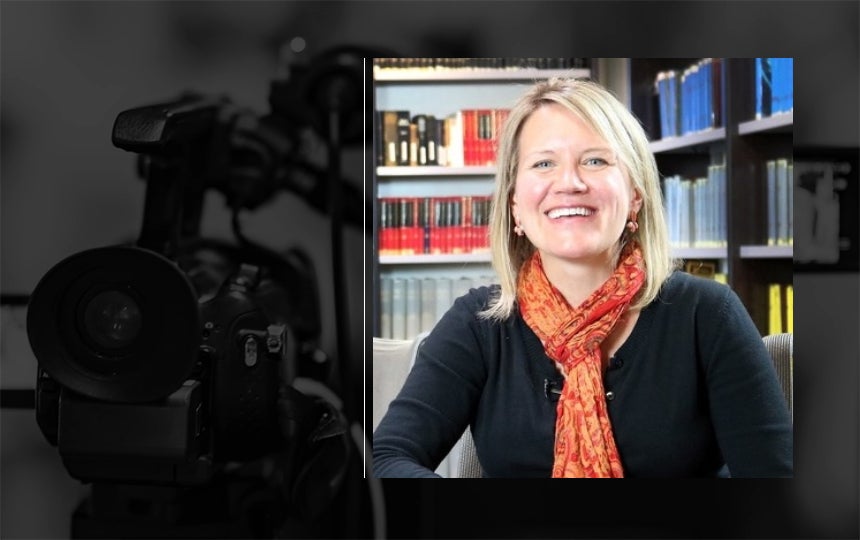
Should cities dispatch armed police officers in response to mental health crisis 911 calls? While many do, other cities are considering, or have implemented, alternatives, such as sending unarmed civilian workers to some mental health emergencies. On October 30, 2025, SciLine interviewed Dr. Jessica Gillooly, an assistant professor of sociology and criminal justice at Suffolk University, where she studies 911 dispatch.
Declared interests: Dr. Gillooly previously worked as a 911 subject matter expert for the U.S. Department of Justice and currently as 911 subject matter expert for the ACLU.
TV bundle includes:
Soundbite (SOT)
VOSOT script (can be used as-is or modified)
Raw, full-length interview video & log with timecodes (upon request via form below)
These resources are free to use. No attribution to SciLine is required.
Click for VOSOT script (can be used as-is or modified)
ANCHOR
ARE POLICE THE RIGHT RESPONDERS FOR MENTAL HEALTH EMERGENCIES?
MORE COMMUNITIES ARE TRYING NEW WAYS TO OFFER HELP…. WITHOUT SENDING A BADGE AND A GUN.
VO
MORE THAN 100-CITIES NOW USE ALTERNATIVE RESPONSE PROGRAMS… SENDING UNARMED SPECIALISTS… LIKE TRAINED SOCIAL WORKERS TO MENTAL HEALTH CRISIS CALLS.
DOCTOR JESSICA GILLOOLY (Jesi-kuh Gill-OOH-lee)… A PROFESSOR AT SUFFOLK UNIVERSITY… SAYS RESEARCH SHOWS MOST PEOPLE WANT PUBLIC SAFETY PROGRAMS THAT INCLUDE RESPONDERS BEYOND TRADITIONAL POLICE.
SOT
Duration:0:40
Super: Dr. Jessica Gillooly –Sociology and Criminal Justice Professor, Suffolk University
“So these are programs where it’s usually teams of two or three responders can go out in real time to behavioral health calls. Might involve licensed social workers, clinicians, peers with lived experience. And EMTs or paramedics. And so they respond in real time to these 911 calls that are deemed, sort of, low-risk. And low-risk is usually defined as calls that don’t have a weapon present or a weapon being used. There’s not violence or aggression at the scene of the incident. So the idea with these programs isn’t to replace the police, but really it’s just to send the right response at the right time to people in crisis.”
VO
DOCTOR GILLOOLY SAYS ALTERNATIVE RESPONSE PROGRAMS SAVE POLICE THOUSANDS OF HOURS ON MENTAL HEALTH CALLS… LETTING THEM FOCUS ON CRIME.
Raw, full-length interview covers:
The various approaches U.S. cities are taking to identify and respond to mental health crisis calls;
What researchers have learned from cities that have launched alternative response programs, and what questions are still being studied;
Challenges cities face when implementing alternative response programs; and
Lessons learned from her own experience working as a 911 call-taker.