Expert on Camera
School districts nationwide are implementing cellphone bans or restrictions.
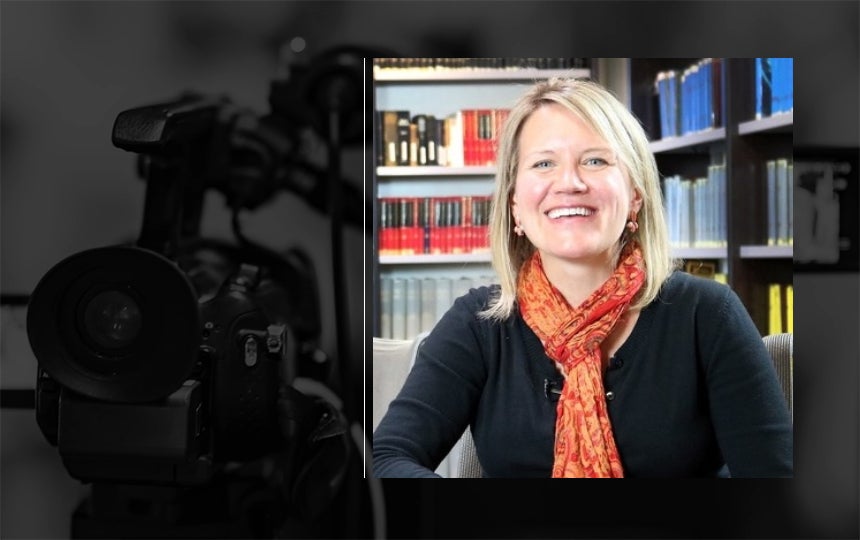
On March 5, 2025, SciLine interviewed: Dr. Desmond Patton, a professor of social policy and practice at the University of Pennsylvania. See the footage and transcript from the interview below, or select ‘Contents’ on the left to skip to specific questions.
Introduction
[0:00:19]
DESMOND UPTON PATTON: Hi, my name is Desmond Upton Patton, I am the Brian and Randi Schwartz University Professor at the University of Pennsylvania. I direct the SAFE Lab and the Penn Center for Inclusive Innovation in Tech. For over a decade, I’ve studied the role and impact of social media and AI on gun violence, grief and loss, and now joy and well-being.
Interview with SciLine
Why do you think school districts across the country are cracking down on cellphone use in schools?
[0:00:54]
DESMOND UPTON PATTON: So, I think school districts are responding to growing concerns about how cell phone use affects learning environments, and I think educators are seeing firsthand how phones can be a distraction, fueling social conflicts, and increasing exposure to harmful content—and even distributing some of the mental health challenges that we’re seeing among young people. And so, I think many of these policies are driven by a desire to improve focus in classrooms and reduce cyber bullying and address a rising concern about students social and emotional well-being.
What are some of the concerns associated with cellphone use in schools?
[0:01:27]
DESMOND UPTON PATTON: So, I think there are several major concerns. First, cell phones can be a serious distraction. Students may struggle to stay engaged in lessons when they’re constantly checking social media or texting. There’s also the issue of cyber bullying, which doesn’t stop at the school’s doors. So, phones make it easier for conflict to escalate and for harmful interactions to follow students throughout the day. And additionally, there are concerns about students being exposed to distressing or even violent content online, which can have lasting effects on their mental health.
How does cellphone use in schools affect students’ attention spans and academic performance?
[0:02:01]
DESMOND UPTON PATTON: So, research has suggested that excessive cell phone use can have a negative impact on a student’s ability to concentrate, to process information and just retain what they’ve learned. So, when students multitask between their lessons and their phones, they’re not truly engaging with the material in a deep way. And so studies have shown that limiting phone use can lead to better test scores, improve comprehension, and stronger classroom participation. But this isn’t just about banning phones—it’s about fostering an environment where students can be fully present.
How do cellphones in schools impact students’ overall well-being?
[0:02:50]
DESMOND UPTON PATTON: So, it really depends on how they’re used. On the one hand, phones can be a lifeline, connecting students to support systems and mental health resources and even opportunities for expressive creation. But on the other hand, constant exposure to social media, negative interactions, and digital comparison culture can contribute to anxiety and depression and feelings of isolation, and so the pressure to always be on can be overwhelming, especially for young people navigating their identities and social lives and schools, have to find a balance ensuring that technology serves the students rather than harming them.
How can students use cellphones in a positive way?
[0:03:38]
DESMOND UPTON PATTON: I truly believe that cell phones can be a powerful tool for learning, connection and advocacy. Students can use them to research topics that interest them, engage in civic activism, and stay informed about the world. They can also use phones to practice mindfulness—whether it’s through meditation or meditation apps or journaling or simply setting boundaries on screen time—but most importantly, I think they can use their device to foster real, meaningful connections, both online and offline.
What does your research say about the role parents have in preventing cyberbullying?
[0:04:20]
DESMOND UPTON PATTON: So, I think that parents should approach these conversations with curiosity and not just restrictions. Instead of saying, Put your phone away, ask, what do you love about being online? I think this opens up critical dialog and helps parents better understand their child’s digital world. It’s also crucial to talk about online privacy and helping kids recognize that what they post online can have long term consequences. So, encouraging them to think critically about the content they consume and share is important for parents, and rather than setting rigid rules, work together to create healthy phone habits that feel reasonable and sustainable. And I always tell parents, you know your child better than anyone else. You know their maturity level. So, think about that as you consider the kind of plan you want to have with your child with their phones.
Are there other ways districts can manage cellphone use in schools besides a ban?
[0:05:18]
DESMOND UPTON PATTON: Schools shouldn’t just be about restrictions. It should also be about education. And I think students need to learn digital literacy and online safety and emotion regulation in digital spaces. And so if we just take phones away without equipping in people with these skills, I think we miss an opportunity to prepare them for a world where technology isn’t going away.