Crash Courses

Vaccines in the news: What to cover and how

Journalists: Get Email Updates

What are Crash Courses?

Wednesday, October 8 at 2 p.m. ET

As journalists, it can be easy to feel like every news story about vaccines has already been written and that everything there is to say has already been said. But research shows that the more vaccines are talked about in newspapers, the higher vaccination rates tend to be. Vaccine stories are still happening all the time, and the audience for these stories is still vast, in part because vaccine hesitancy exists on a spectrum. The majority of people aren’t committed anti-vaccinators or pro-vaccinators for every vaccine in every situation but fall somewhere in the middle of the spectrum. So people rely on news outlets to present timely, accurate information in a way that breaks through the noise of less reputable sources.

This webinar shared insights from scientific research on vaccine safety, efficacy, and communication to equip you not just with the information you should include in your stories about vaccines, but also what research indicates are the most effective ways of sharing that information. We covered:

  • What vaccine effectiveness actually means and the effectiveness and safety profiles of different vaccines;
  • How we know that vaccines are safe;
  • Tips for vetting science-related claims about vaccines; and
  • Best practices for addressing vaccine-related mis- and disinformation in your stories to correct false beliefs.

If you are interested in the recording of this webinar, please reach out to tespensen@aaas.org.

Tori Espensen

Training director
she/her

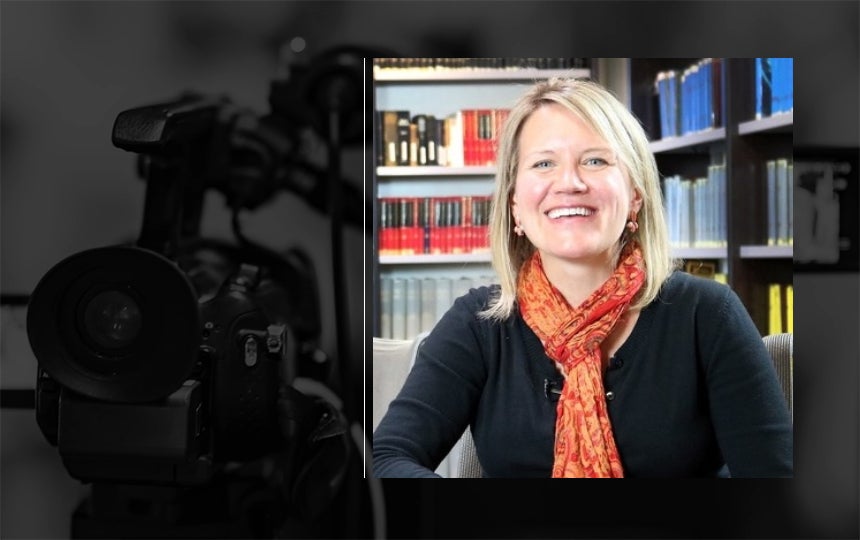
Tori leads SciLine’s training programs, which help both scientists and journalists learn to work better together to bring accurate, engaging scientific evidence to general audiences through news stories. Her role includes developing curricula, facilitating workshops and webinars, and finding creative ways to make teaching science and communication skills dynamic and interactive. Tori’s Ph.D. in biological psychopathology and postdoctoral fellowship in psychiatry, both from the University of Minnesota, allow her to connect with the scientists she trains and share her deep understanding of scientific skills and concepts with journalists.