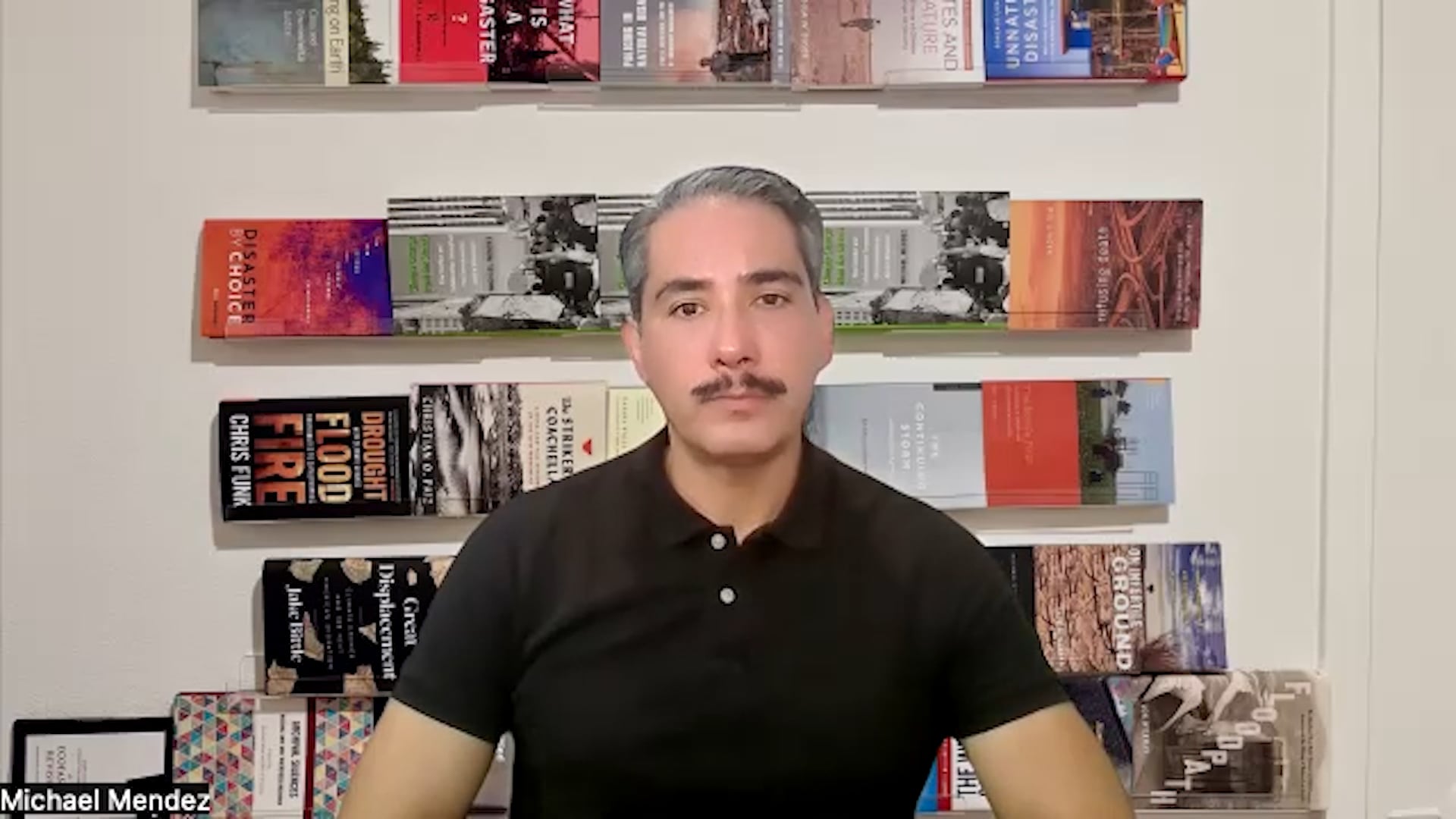
Dry winters can set the stage for increased wildfire risk and water shortages across parts of the U.S. On January 29, 2026, SciLine interviewed Dr. Emily Fairfax, an assistant professor of geography at the University of Minnesota.
TV bundle includes:
Soundbite (SOT)
VOSOT script (can be used as-is or modified)
Raw, full-length interview video & log with timecodes (upon request via form below)
Localizable data
These resources are free to use. No attribution to SciLine is required.
Click for VOSOT script (can be used as-is or modified)
ANCHOR
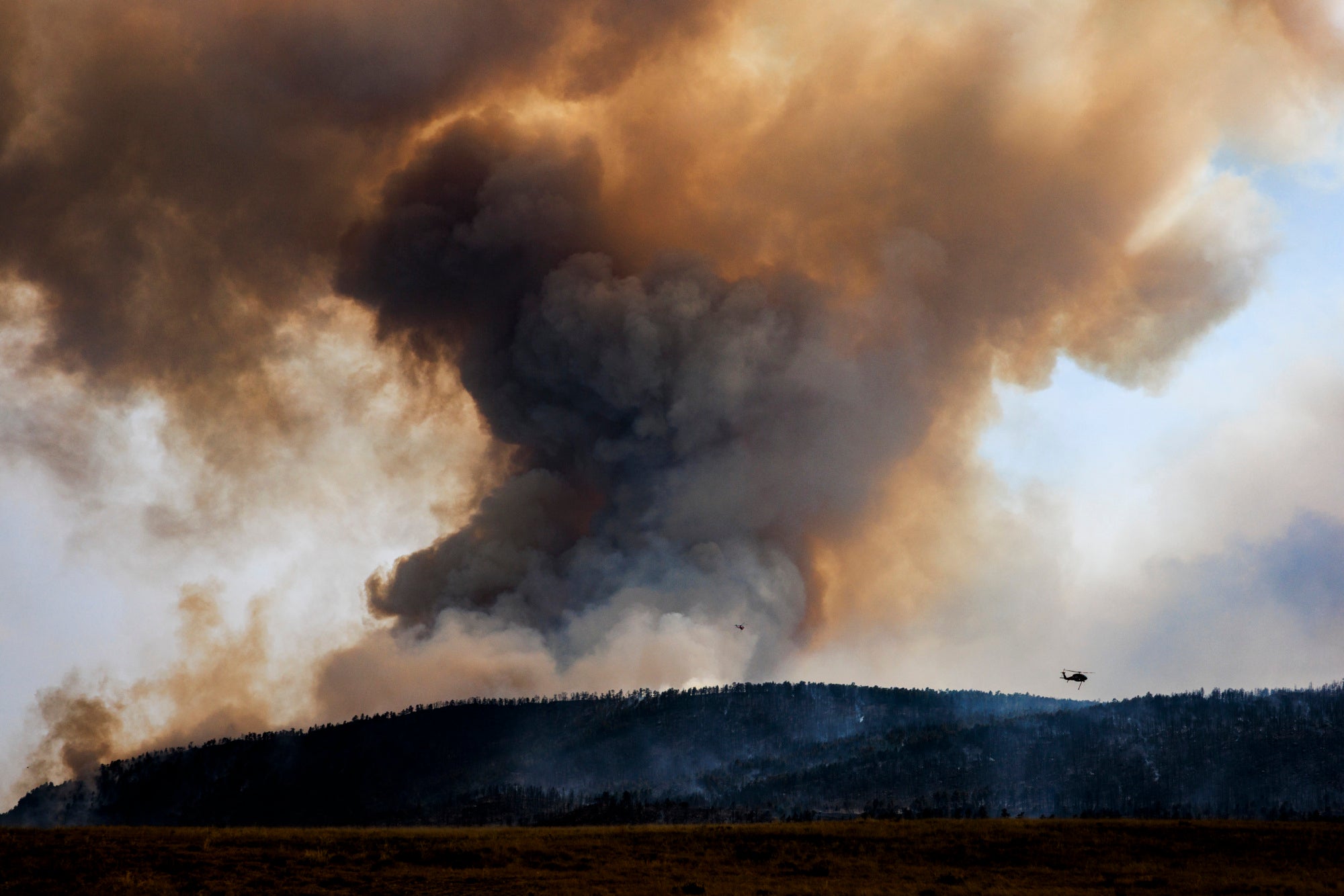
EVEN AS PARTS OF THE COUNTRY EXPERIENCE EXTREME COLD SNAPS… CLIMATE CHANGE IS MAKING OUR WINTERS DRIER… SETTING THE STAGE FOR MORE INTENSE WILDFIRES.
VO
DOCTOR EMILY FAIRFAX… AN ASSISTANT PROFESSOR OF GEOGRAPHY AT THE UNIVERISTY OF MINNESOTA… SAYS CLIMATE CHANGE AFFECTS WINTER IN TWO BIG WAYS… *HOW MUCH WATER FALLS… AND *WHEN IT FALLS.
SHE SAYS MANY AREAS ARE SEEING LESS RAIN AND SNOW… ALONG WITH WEATHER THAT SWINGS BETWEEN FREEZING AND WARM DAYS.
THAT FLIP-FLOP DRIES OUT TREES… BUSHES… AND GROUND BRUSH… MAKING IT EASIER FOR FIRES TO IGNITE AND SPREAD QUICKLY.
SOT Duration: 0:36 Super: Dr. Emily Fairfax – Assistant Professor, University of Minnesota
“If you have a lightning strike or an engine spark or something, but all that’s around you is wet dirt and soggy leaves, it’s probably not going to catch. So there’s a lot of fires that never happened because we didn’t have such dry winters, so we just didn’t perceive them. And now that we are having drier winters these spring fires are becoming more and more a thing. And so are winter fires. We’ve seen horrible fire in December and January. I’m up in Minnesota right now and we had some pretty wicked fires last spring, and it was just so out of characteristic for what we have come to know of our spring weather.”
VO
DOCTOR FAIRFAX SAYS NATURE-BASED SOLUTIONS CAN HELP LOWER WILDFIRE RISK… LIKE RESTORING RIVERS AND BUILDING WETLANDS… WHICH HELP HOLD MORE WATER ON THE LAND.
Raw, full-length interview covers:
How climate change influences dry winters;
How dry winters can lead to earlier and more severe fire seasons;
What a dry winter means for water availability in a warming climate;
How winter precipitation supports plants, wildlife, and communities that rely on it;
How nature-based solutions can help reduce wildfire risk; and
How climate mitigation and adaptation efforts can help lessen the impacts of dry winters, drought, and rising wildfire risk.