

When scientist sources are reluctant to speak with reporters
What are Reporting Resources?
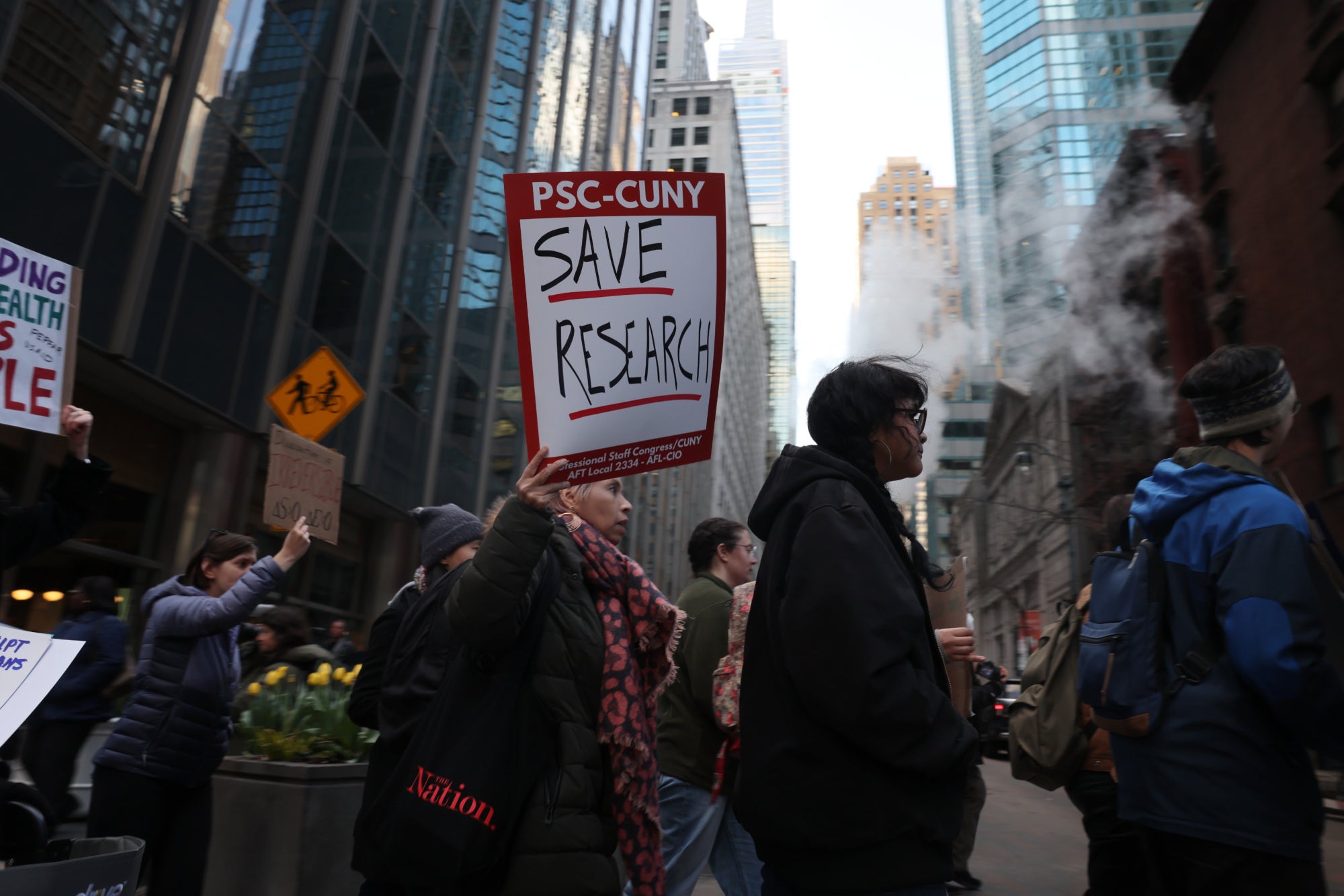
With recent cuts to government funding for research and political pressures on scientific institutions, speaking to reporters has higher stakes than ever for many U.S. scientists. Some fear professional or personal consequences, and others work at institutions that have tightened policies around press interviews.
Even under these circumstances, there are still many researchers willing to share their expertise with reporters. SciLine’s expert matching service responds to journalists’ requests for scientist sources on deadline: Our team dives into the research on a reporter’s topic to find an available expert with the right scientific background and communications skills to speak with a journalist for their specific story. You can submit a request here if you’d like our help.
For your own sourcing process, here are some steps you can take when a scientist declines an interview, and some alternate routes to strengthening your reporting with scientific evidence.
If a scientist says no to an interview, consider following up. If they share concern about a specific situation, such as getting into the politics of an issue instead of talking solely about research, you might be able to accommodate. Maybe they’d be willing to have a conversation in a different format—for example, a pre-taped interview rather than a live one—or they might reconsider if you provide questions in advance. Or, you could ask if they could point you to a source who might be willing to speak, or to relevant data or perspective pieces from researchers.
Look strategically for a different expert. Look for an expert who may be in a better position to speak. Op-eds, social media posts, or quotes in other news stories may point to researchers who are willing to be vocal. Researchers with more established careers may be less vulnerable and more willing to comment on the record. And, especially while scientific research funding is imperiled in the U.S., researchers based in other countries may face less risk by speaking with a journalist.
You might also consider shifting the scope of the expertise you’re looking for. A social scientist might be able to discuss larger questions or public perceptions around the topic of your story, for example. Thinking through the kinds of questions scientists may be researching, or searching PubMed or Google Scholar to see the kinds of research being conducted, could help you target different kinds of expertise on your topic and find more scientists to contact. Our tipsheet on finding and vetting scientific experts offers guidance on brainstorming these types of expertise.
For instance, say you’re writing about a new gender-affirming care policy in your state. Researchers may have studied the impacts of similar policies elsewhere, or a researcher might be able to speak about how specific treatments work and how common they are. That expertise could deepen your story with useful context, even if a researcher won’t comment on the policy directly.
Rely on data instead. Look for relevant studies, especially large-scale ones from credible journals. Review papers may offer a broader view of an issue, although they’re only as useful as the data they include. SciLine has tips for parsing scientific papers effectively.
U.S. government websites such as the Centers for Disease Control and Prevention and Environmental Protection Agency sites host lots of data, though a significant amount of health and environmental data was removed by the Trump administration in 2025. For missing data, you can try the Policy Commons Open Collection, which preserves government data that has been removed or is at risk of removal, or the End of Term Archive, which saves government websites before presidential transitions. The Data Rescue Project hosts a list of other data preservation efforts.
Research centers, labs, or nonprofits may be studying questions around your topic as well. It’s worth considering their funding sources and missions, but their summary materials may provide useful data. For example, the Guttmacher Institute publishes data on U.S. abortions, Climate Central publishes localized data on a range of environmental issues, and hundreds of state-level health metrics are available from KFF.
Use existing footage or quotes: Check if your outlet has covered related stories and if there are previous interviews you could pull from for context. Look for public-facing recorded talks or previous audio or video interviews. You may be able to grab footage from a congressional hearing or quote from a previous op-ed or another news outlet.
SciLine also has a catalog of expert interviews and media briefings on a wide range of science topics in the news, ranging from childhood vaccines to data centers’ impacts, and journalists are welcome to pull quotes, audio, and video for use in their stories.