Evidence-based reporting tools and tips for 2025
A newsroom guide to reaching polarized audiences with scientific research
Newsrooms face a daunting task amid significant political change in 2025: How to cover policy debates with deep implications for local communities—from vaccines, to immigration, to climate change—amid challenges to scientific consensus, a proliferation of misinformation, and growing levels of distrust within a heavily polarized audience.
This toolkit provides tips for journalists on understanding scientific research and how to incorporate it into reporting, along with background briefings and context from experts on some of the biggest and most contested issues newsrooms will confront in 2025.
Learn more about this effort in an introduction from SciLine director Matt DeRienzo or jump straight to our resources:
- Free tools and resources from SciLine
- Free tools and resources from others
- Overview of evidence-based background on issues of 2025
- Understanding scientific research
These resources and more are available as a downloadable, sharable, and printable PDF by clicking the button below.
More from SciLine
Vaccine safety tip sheet
With evidence, scientists cut through misconceptions about autism
Autism: What does the latest science tell us?
What SNAP delays could mean for health and hunger
Looming cutoff of SNAP funds, new restrictions: A story for every community
Vaccines in the news: What to cover and how
Dr. Jack Turban: LGBTQ+ “conversion therapy” for minors
Dr. Bianca Baldridge: Afterschool program benefits
Dr. Martin Smith: Fisheries, seafood, and climate change
Dr. Kawsar Talaat: Vaccine ingredients
Dr. Sheldon Jacobson: Future of TSA checkpoints
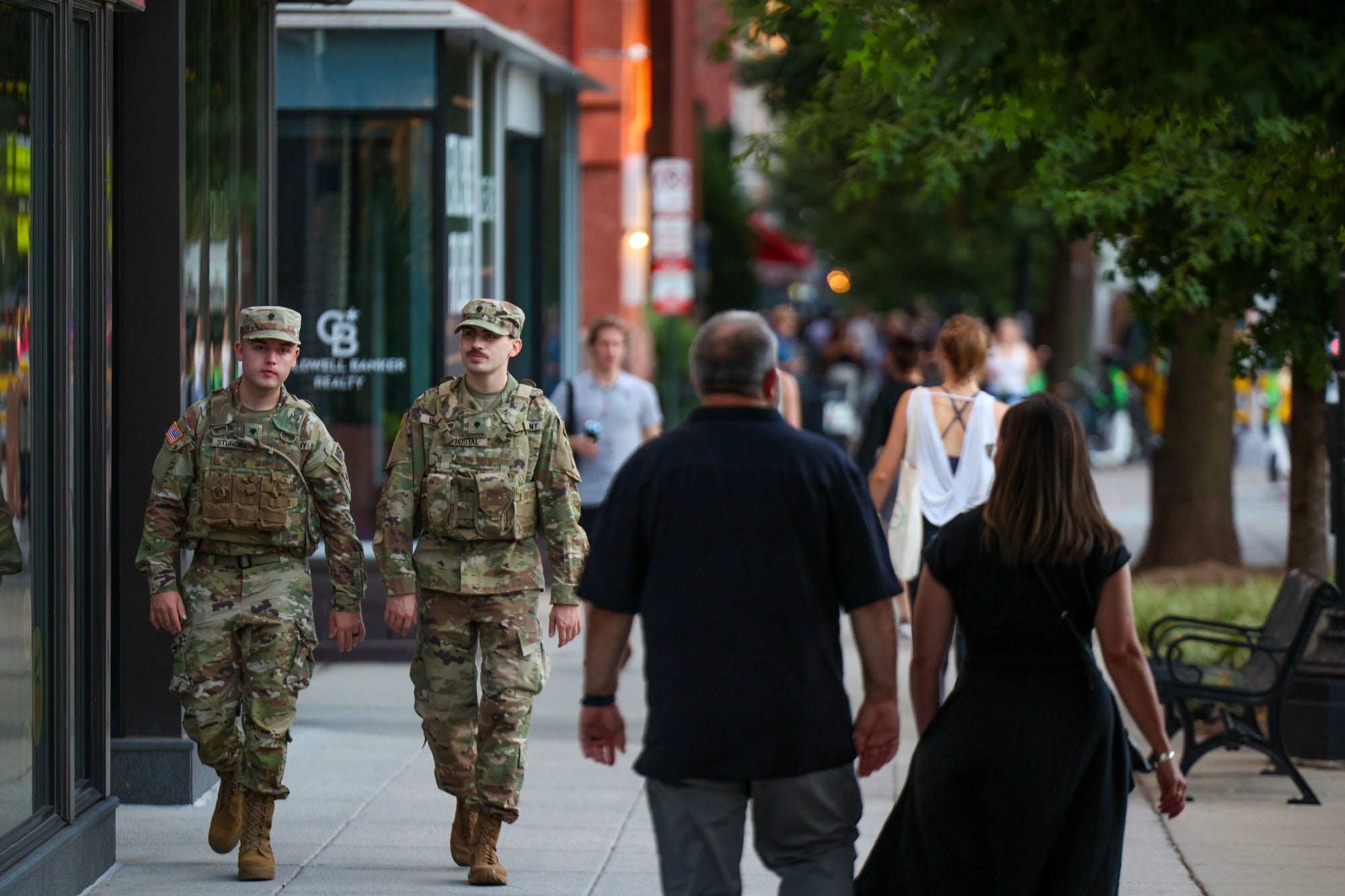
Resources for covering federal involvement in local policing
Dr. David Higgins: Back-to-school vaccinations
Global tariffs, local impacts
Dr. Stephen Mattingly: High-speed rail
How scientific evidence can improve your immigration reporting
When scientist sources are reluctant to speak with reporters
Dr. Noah Diffenbaugh: EPA moves to end limits on climate pollution
Dr. Hilary Seligman: SNAP (food stamps) and health
PFAS: Sources, treatments, and health effects
Childhood vaccines: Schedule, hesitancy, and exemptions
Dr. Andrew Chien: Data centers’ community, power grid, and environmental impacts
Dr. Sarah Miller: Medicaid cuts
Dr. April Zeoli: “Red flag” gun laws
Dr. Joshua Sharfstein: Whooping cough
Dr. Marlene Schwartz: Local foods cut from school lunch programs, food banks
Dr. Jana Shaw: Measles
Dr. Kathryn Edin: Child tax credit
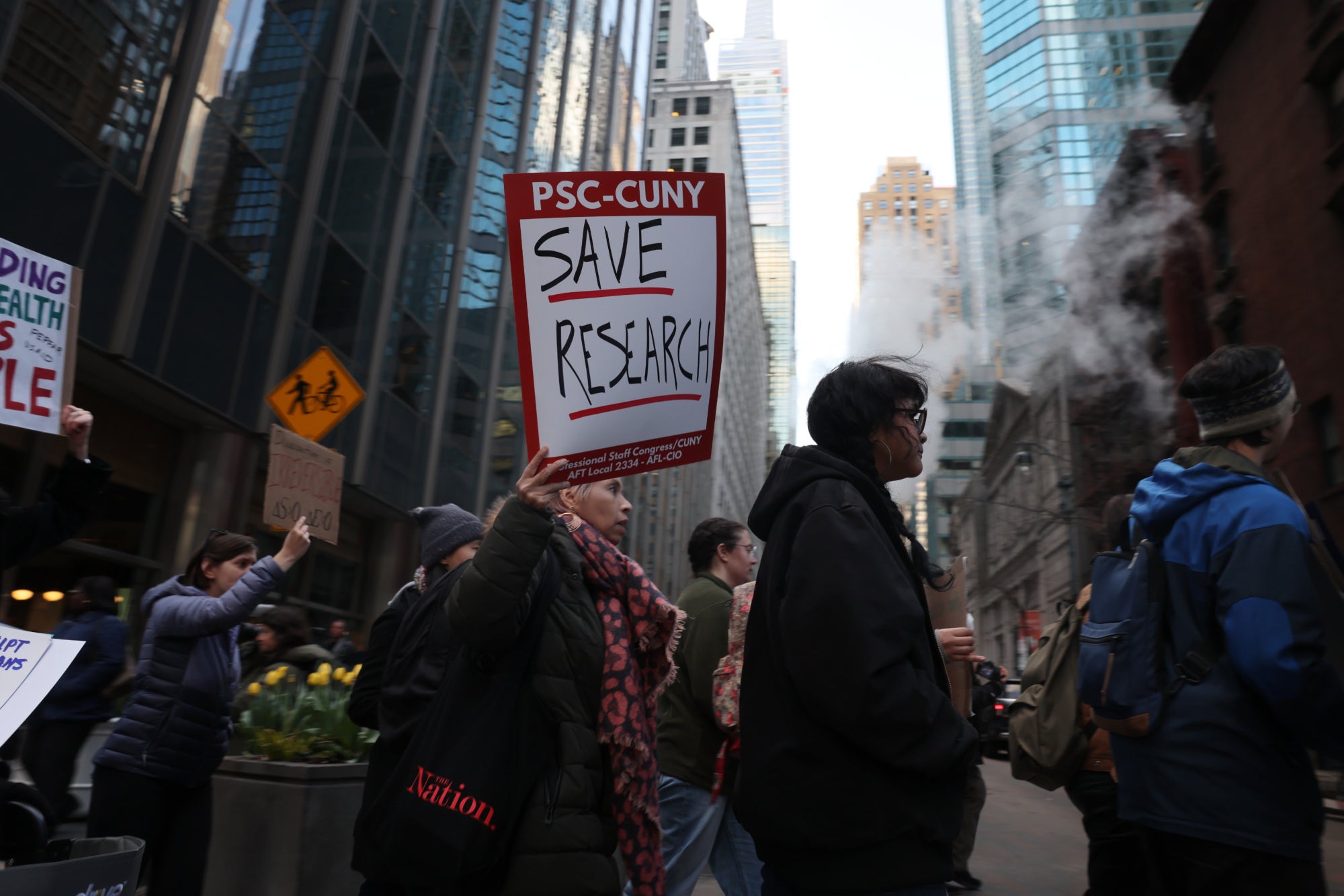
NIH impacts: Research, public health, and innovation
Measles and public health: Risks, prevention, and response to current outbreaks
Dr. Kyle Handley: Tariffs and consumer prices
Understanding Medicaid: Potential health impacts of proposed cuts
Dr. Yvonne Maldonado: Measles
Changes at CDC: Potential impacts on public health
Dr. Kimber Wilkerson: Special education
Vaccines and public health: Development, regulation, and safety
Covering USAID: Scientific evidence for reporting on foreign aid
Dr. Rachel Werner: Cost of caring for parents
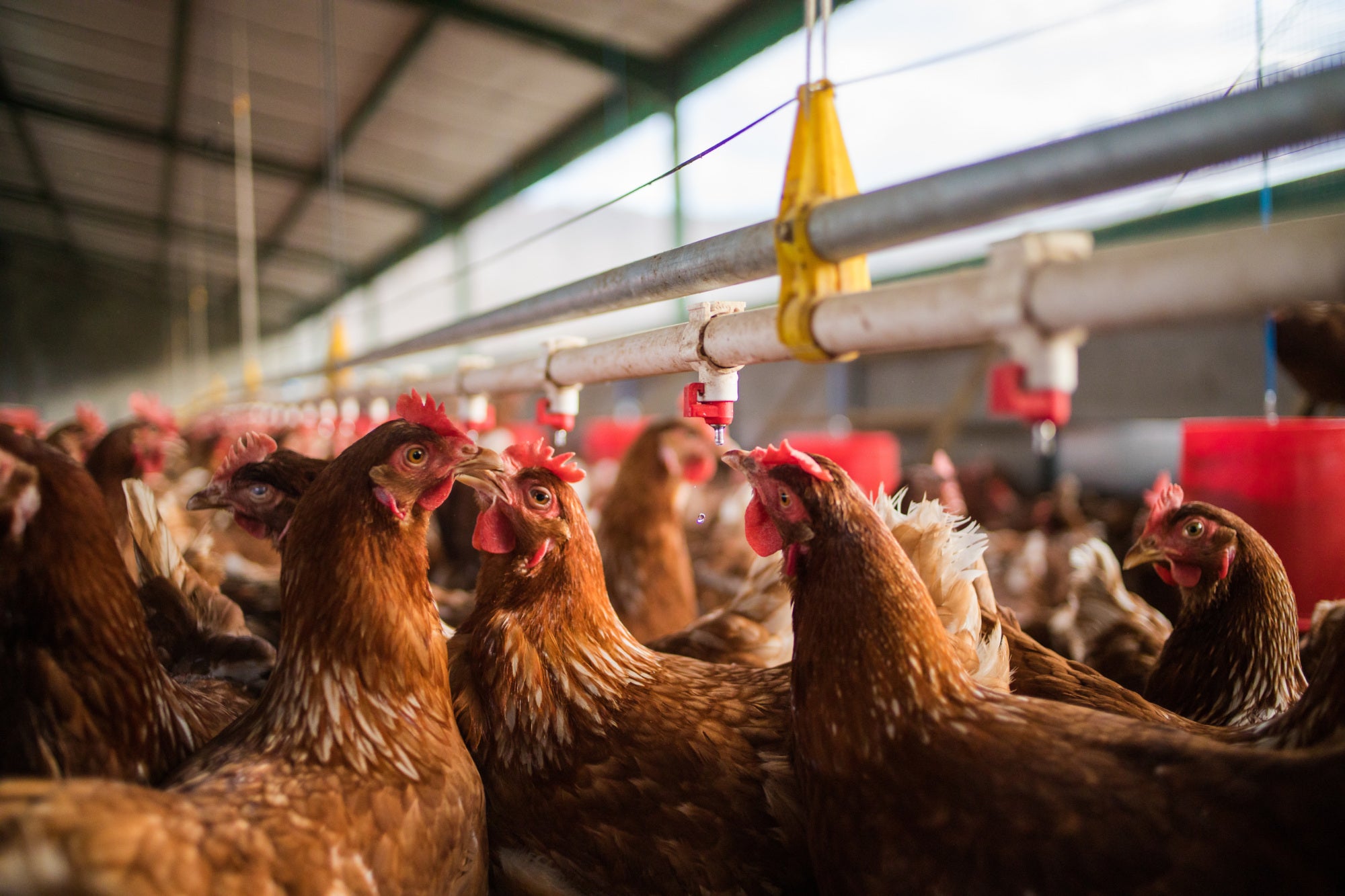
2025 bird flu update: Trends, transmission, and economic impacts
Dr. Emily S. Jungheim: In Vitro Fertilization (IVF)
Dr. Matthew Memmott: Nuclear power plants
Dr. Cynthia Harper: Birth control
Dr. Edelina Burciaga: Latin American immigrant experience
Jobs, the economy, and wealth inequality
Crime, safety, and policing
Immigrants in U.S. communities
Reproductive health and abortion
Climate change and the green energy transition
Sign up for our mailing list to be notified about upcoming Media Briefings, Experts on Camera interview opportunities, Crash Course training sessions, and other new offerings from SciLine.